Trump Dismisses Iran's Negotiating Power, Points to Hormuz Control as Key Leverage
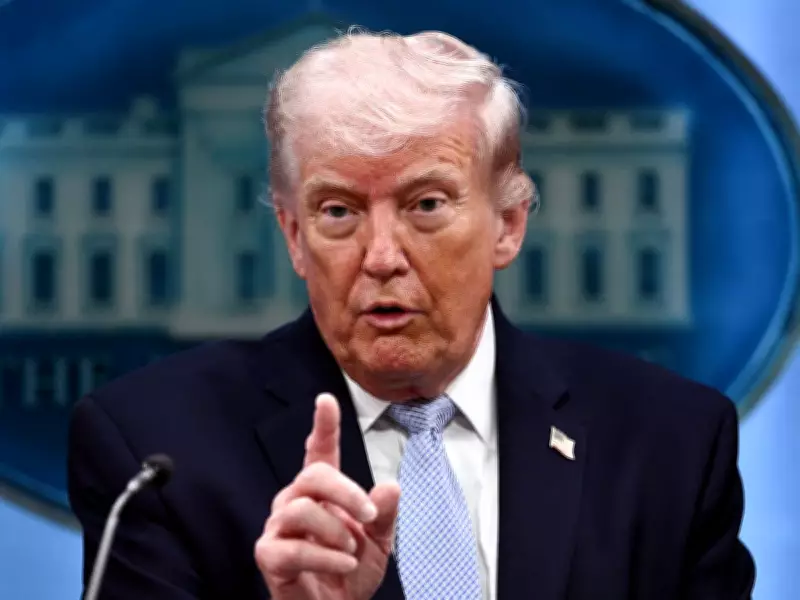
In a series of provocative statements on his Truth Social platform, former U.S. President Donald Trump declared that Iran possesses "no cards" in upcoming peace negotiations with the United States, with the exception of Tehran's strategic control over the vital Strait of Hormuz shipping channel. The 79-year-old leader made these remarks ahead of crucial talks scheduled to take place in Pakistan this weekend, where control of the narrow waterway will be a central issue.
"The Only Reason They Are Alive Today Is to Negotiate"
Trump's social media posts took a confrontational tone toward the Iranian government. "The Iranians don't seem to realize they have no cards, other than a short term extortion of the World by using International Waterways," Trump wrote, emphasizing what he perceives as Tehran's limited bargaining position. He added pointedly, "The only reason they are alive today is to negotiate!"
In a separate message, Trump criticized Iran's media strategy, stating, "The Iranians are better at handling the Fake News Media, and 'Public Relations,' than they are at fighting!" These comments reflect ongoing tensions between the two nations as they prepare for diplomatic discussions.

Strait of Hormuz: A Critical Global Chokepoint
The Strait of Hormuz represents one of the world's most strategically important maritime passages, with approximately one-fifth of global crude oil shipments traversing its narrow waters. Recent weeks have seen significant disruption in the area, with Iran implementing threats that have drastically reduced shipping traffic despite a two-week truce announced earlier this week.
Trump expressed frustration with Iran's management of the waterway, stating on Thursday that Tehran was doing a "very poor job" of allowing oil through the strait. "That is not the agreement we have!" he declared, highlighting disagreements over implementation of existing arrangements.
Military Preparations and Negotiation Warnings
In comments to the New York Post, Trump revealed that U.S. warships are being reloaded with advanced weaponry in preparation for potential strikes against Iran should the weekend talks fail to produce a satisfactory agreement. "We have a reset going. We're loading up the ships with the best ammunition, the best weapons ever made — even better than what we did previously and we blew them apart," Trump told the publication by telephone.
The former president issued a stark warning: "And if we don't have a deal, we will be using them, and we will be using them very effectively." These remarks were accompanied by a cryptic social media message referencing the "WORLD'S MOST POWERFUL RESET!!!"
Vice President Vance Leads U.S. Delegation with Cautious Optimism
Vice President JD Vance departed for Islamabad on Friday to head the American negotiating team, offering measured comments about the upcoming discussions. "We're going to try to have a positive negotiation," Vance told reporters before departing from Joint Base Andrews outside Washington. "If the Iranians are willing to negotiate in good faith, we're certainly willing to extend the open hand. If they're going to try to play us, then they're going to find the negotiating team is not that receptive."
Broader Negotiation Context and Sticking Points
Beyond the immediate issue of Strait of Hormuz control, several other contentious matters are expected to dominate the weekend discussions:
- Nuclear Concerns: The United States continues to demand that Iran relinquish its stockpile of highly enriched uranium.
- Security Guarantees: Iran seeks assurances against further military attacks from both the United States and Israel.
- Regional Stability: Both nations have competing interests throughout the Middle East that will influence negotiation dynamics.
Trump's characterization of Iran's negotiating position echoes similar language he used previously in international disputes, including a notable 2026 exchange with Ukrainian President Volodymyr Zelensky regarding Russia, where Trump asserted "you don't have the cards" against Moscow.

The upcoming talks represent a critical juncture in U.S.-Iran relations, with control of global energy routes and regional security hanging in the balance. As diplomatic efforts intensify, the world watches to see whether negotiations can produce meaningful progress or whether military confrontation becomes increasingly likely.