Former United States President Donald Trump has issued a direct and urgent warning to the Cuban government, publicly urging the nation's leadership to 'make a deal, before it is too late.' The statement, made on January 11, 2026, reintroduces a familiar tone of high-pressure diplomacy from the previous Trump administration back into the geopolitical arena.
The Context of the Ultimatum
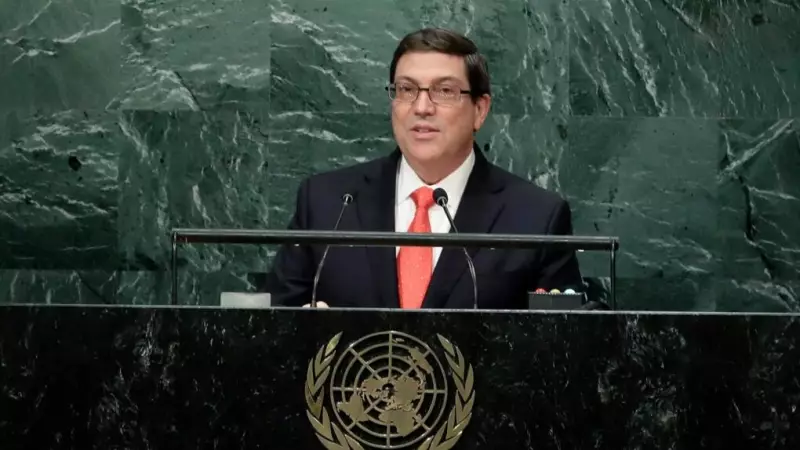
While the specific details of the proposed "deal" were not immediately elaborated upon in the brief statement, the warning is seen as a significant re-engagement by Trump on the international stage. The message is directed at the Cuban government, currently represented on the global front by Foreign Minister Bruno Eduardo Rodriguez Parrilla. Rodriguez Parrilla, a seasoned diplomat, has been a consistent figure in defending Cuba's positions at forums like the United Nations General Assembly.
The timing and nature of this public ultimatum suggest a potential shift or a new opening in the long-strained relationship between the United States and the Caribbean nation. For Canadian observers and policymakers, developments in U.S.-Cuba relations hold particular importance, given Canada's historical role as a consistent trading partner and diplomatic contact for Cuba, often operating independently of U.S. policy shifts.

Potential Implications for Hemispheric Relations
This public pronouncement from a key U.S. political figure is likely to ripple through diplomatic channels across the Americas. The call to action implies a window of opportunity that is closing, applying classic pressure tactics to force a negotiation. Analysts will be watching closely to see if this statement precedes more detailed policy proposals or if it is part of a broader strategy concerning the region.
The warning also arrives amidst other significant global headlines concerning international tensions, including reports on Iran and U.S. military actions, which collectively paint a picture of a volatile geopolitical landscape in early 2026. Canada, with its vested interest in stable international relations and trade, often monitors such U.S. foreign policy maneuvers closely, assessing their impact on multilateral cooperation and regional stability.
Looking Ahead: What Comes Next?
The ball is now effectively in Cuba's court. The response from Havana, whether public or through private diplomatic channels, will determine the next phase of this interaction. Will the Cuban government see this as an opening for dialogue, or dismiss it as political posturing? The phrase "before it is too late" carries an implicit threat, the specifics of which remain undefined but could relate to economic sanctions, travel policies, or other leverage points historically used by Washington.
For Canadians, especially those in business, academia, and diaspora communities with ties to Cuba, this development underscores the ongoing complexity of the region's politics. It serves as a reminder that the relationship between the United States and Cuba remains a pivotal factor in hemispheric affairs, capable of rapid change based on the political winds in Washington.