Trump Expresses Confidence in Potential Iran Agreement as Ceasefire Deadline Approaches
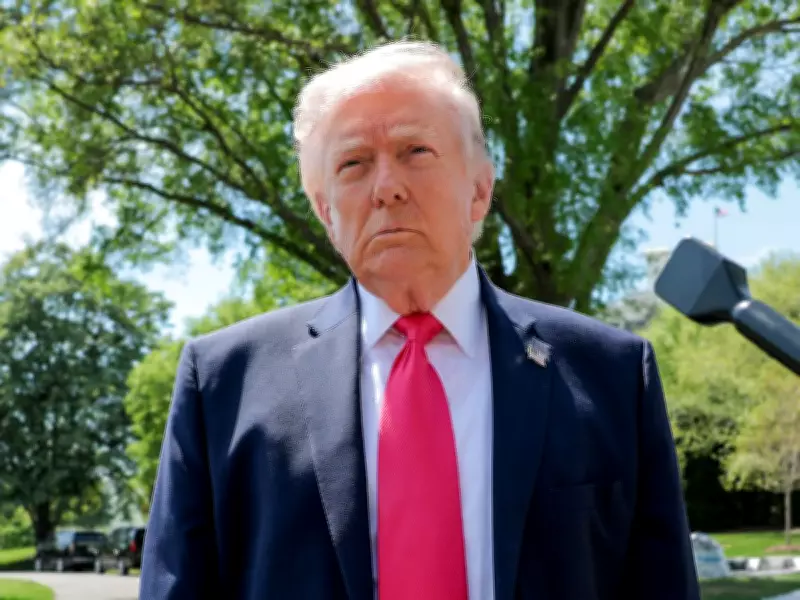
President Donald Trump has struck an optimistic tone regarding the prospects of a permanent ceasefire agreement between the United States and Iran, with discussions ongoing ahead of the current truce's expiration next week. Speaking to reporters at the White House on Thursday, Trump declared, "It's looking very good that we're going to make a deal with Iran, and it's going to be a good deal." He indicated that talks between Washington and Tehran could resume as early as this weekend.
Unverified Claims of Iranian Concessions
Trump claimed, without providing evidence, that Iran has agreed to terms it has historically resisted. These alleged concessions include abandoning ambitions for nuclear weapons and turning over nuclear material. Additionally, Trump stated the deal would involve "free oil" and an opening of the Strait of Hormuz. However, Tehran has not publicly confirmed making these specific commitments, leaving the veracity of these assertions unverified.
Divergent Timelines and Regional Developments
The president's expectations of a swift resolution contrast with predictions from some Gulf Arab and European leaders, who estimate that brokering a comprehensive U.S.-Iran peace deal could take approximately six months. Trump expressed confidence that an extension of the two-week ceasefire would not be necessary, suggesting a resolution could be reached "fairly soon," though he acknowledged he would extend it if needed.

In a related development, Trump announced on Thursday that Israel and Lebanon have agreed to a 10-day ceasefire, a move aimed at easing broader regional tensions. Israeli Prime Minister Benjamin Netanyahu confirmed the truce in a video message, describing it as a step toward advancing talks for a "historic peace agreement" with Lebanon. The ceasefire was set to begin at 5 p.m. New York time, with Trump directing Vice President JD Vance, Secretary of State Marco Rubio, and Joint Chiefs of Staff Chairman Dan Caine to collaborate with both nations to achieve lasting peace.
Economic and Diplomatic Context
The geopolitical developments have influenced oil markets, with West Texas Intermediate dropping toward $93 a barrel, down more than 3% for the week, while Brent settled above $99 on Thursday. Real-world oil prices remain elevated, with Dated Brent trading around $116 a barrel, reflecting ongoing supply concerns.
Diplomatic efforts continue, as Pakistan's army chief, Asim Munir, traveled to Iran this week to mediate a longer truce between Washington and Tehran. This follows high-level talks hosted by Pakistan last weekend, which did not yield a breakthrough amid the six-week conflict. Munir was greeted by Iran's Foreign Minister Abbas Araghchi, underscoring the international involvement in the negotiations.
Trump noted that he spoke with Lebanese counterpart Joseph Aoun and Netanyahu before declaring the ceasefire and plans to invite both leaders to the White House for talks, potentially within a week. The announcement made no mention of Hezbollah, the Iranian proxy group that Israel has been targeting in southern Lebanon, a campaign that had threatened to derail the separate ceasefire with Iran.