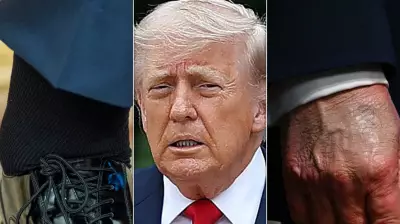
Trump Issues Stark Warning Over Strait of Hormuz Following Failed Ceasefire Negotiations
In a significant escalation of geopolitical tensions, former U.S. President Donald Trump has publicly threatened to blockade the critical Strait of Hormuz. This declaration comes directly after American and Iranian diplomatic efforts to establish a ceasefire ended without any agreement, leaving the volatile region on heightened alert.
Ceasefire Talks Collapse Amidst Deepening Stalemate
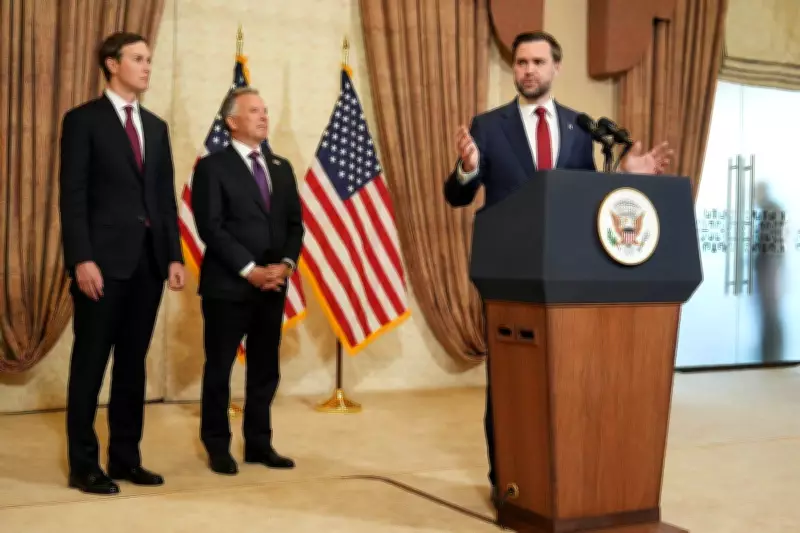
The recent round of negotiations between the United States and Iran, aimed at de-escalating ongoing hostilities, concluded in a stalemate. High-level officials from both nations failed to bridge fundamental disagreements, resulting in no signed accord or framework for future peace. This breakdown has effectively dashed hopes for a near-term diplomatic resolution to the conflict that has embroiled the Middle East.
A Strategic Chokepoint in the Crosshairs
The Strait of Hormuz represents one of the world's most vital maritime corridors. It is a narrow passageway connecting the Persian Gulf with the Gulf of Oman and the Arabian Sea. An estimated one-fifth of the global oil supply transits through this waterway, making its security a paramount concern for international energy markets and global economic stability.

Trump's threat to impose a blockade directly targets this economic and strategic artery. Such an action would involve military measures to restrict or halt maritime traffic, a move that analysts warn could trigger a severe international crisis, spike oil prices worldwide, and potentially lead to direct military confrontation.
Regional and Global Repercussions Loom Large
The potential blockade of the Strait of Hormuz carries profound implications that extend far beyond the immediate region. Key consequences include:
- Global Energy Shock: A significant disruption to oil shipments would likely cause a sharp increase in global fuel prices, impacting economies and consumers internationally.
- Military Escalation: The threat increases the risk of an armed clash between U.S. and Iranian forces, or their proxies, in the crowded waters of the Persian Gulf.
- Alliance Strain: The move could create friction with U.S. allies in Europe and the Gulf who rely on the free flow of commerce through the strait.
- Market Volatility: Financial and commodity markets are expected to react with heightened volatility to the increased geopolitical risk.
The failure of the ceasefire talks underscores the deep and persistent divisions between Washington and Tehran. Issues such as Iran's nuclear program, its regional influence, and security guarantees for both sides remain seemingly intractable obstacles to a peaceful settlement.
An Uncertain Path Forward
With diplomatic channels now effectively closed following the unsuccessful negotiations, the path forward appears fraught with danger. The international community is watching closely, urging restraint and a return to dialogue to prevent a further deterioration of the situation. The threat to the Strait of Hormuz marks a dangerous new phase in the conflict, highlighting how quickly diplomatic failures can translate into threats of direct economic and military action.