Trump Issues Stark Trade Ultimatum to Spain Over Military Base Access
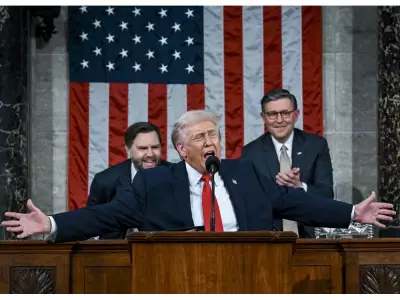
In a significant escalation of diplomatic tensions, former U.S. President Donald Trump has declared that the United States will cut off all trade with Spain. This drastic threat comes directly in response to Spain's decision to deny American forces access to jointly operated military bases for potential operations targeting Iran.
Background of the Bilateral Dispute
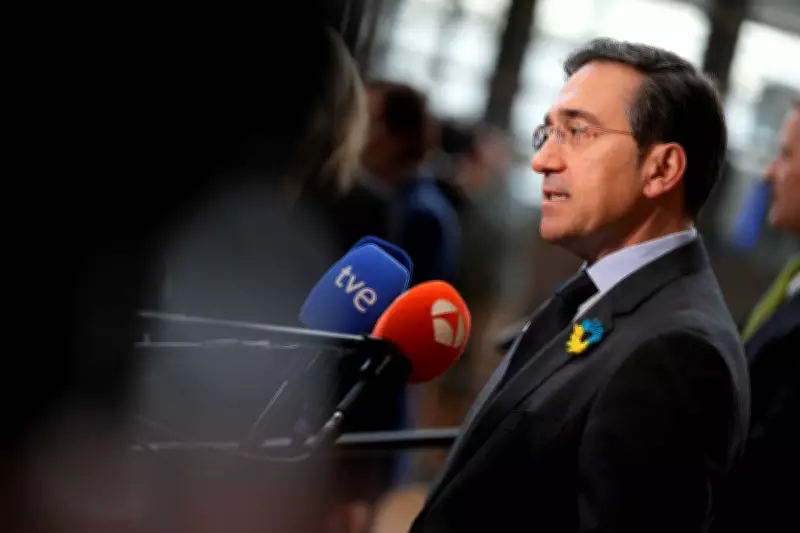
The controversy centers on Spain's foreign policy stance regarding the ongoing conflict in the Middle East. Spanish Foreign Minister Jose Manuel Albares Bueno has taken a firm position, effectively blocking the U.S. military from utilizing strategic bases on Spanish soil. These installations are critical for American power projection in the region.
Trump's announcement underscores a severe fracture in U.S.-Spain relations, historically anchored by NATO membership and shared defense commitments. The former president framed the trade cutoff as a necessary response to what he perceives as Spain's failure to uphold allied responsibilities during a period of international crisis.
Economic and Strategic Implications
The potential cessation of all bilateral trade would have profound consequences for both economies. The United States and Spain maintain a robust trade relationship encompassing agriculture, automotive, technology, and defense sectors. A complete severance would disrupt supply chains, impact thousands of businesses, and could trigger retaliatory measures from the European Union.
Strategically, Spain's refusal complicates U.S. military logistics in the Mediterranean and the broader Middle East. The Rota Naval Station and Morón Air Base are pivotal hubs for American and NATO forces. Losing reliable access to these facilities could force a costly and time-consuming reorganization of U.S. military assets in the region.
Broader Context of the Iran Conflict
This dispute occurs against the volatile backdrop of heightened hostilities involving Iran. Trump confirmed ongoing strikes against Iranian leadership, stating, "another hit today on new leadership" in Iran. Spain's decision reflects a growing caution among some European allies regarding direct involvement in the conflict, prioritizing diplomatic channels over military escalation.
The situation highlights a deepening divide within the Western alliance on how to address security threats in the Middle East. While the U.S. under Trump's influence advocates for a more aggressive posture, nations like Spain are demonstrating increased reluctance to be drawn into open warfare.
International Reactions and Future Outlook
The international community is closely monitoring this development, concerned about its impact on transatlantic unity. The threat also raises questions about the future of U.S. foreign policy and its reliance on economic pressure to compel military cooperation from allies.
As tensions persist, the standoff between Washington and Madrid serves as a stark reminder of how geopolitical conflicts can rapidly spill over into the economic domain, threatening longstanding partnerships and global stability.