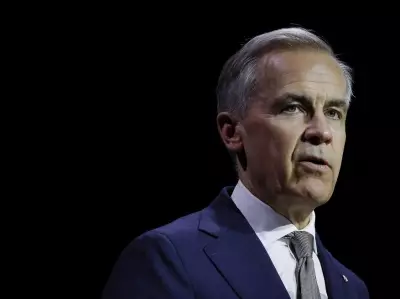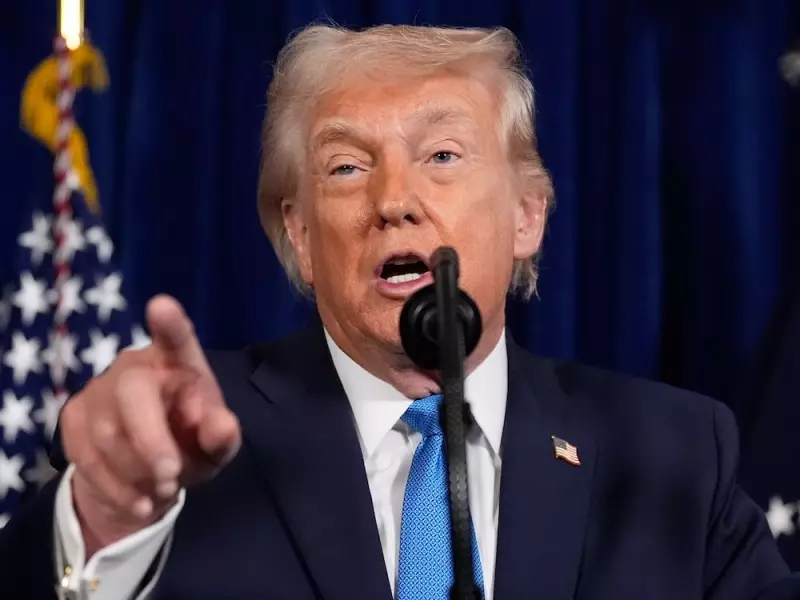
The geopolitical landscape of the Americas shifted dramatically as the new year began, with the arrest of deposed Venezuelan dictator Nicolás Maduro in a Brooklyn cell. This bold move by U.S. President Donald Trump places him in a commanding position in Washington, while leaving Canadian Prime Minister Mark Carney navigating a diplomatic tightrope in Ottawa. The event is more than an isolated regime change; it is a clear signal of a broader U.S. strategy with direct consequences for Canada.
The Real Motive Behind the Venezuelan Intervention
While the Trump administration publicly listed goals for its Venezuelan action—securing oil, halting drug trafficking, curbing migration, and establishing democracy—the underlying motive runs deeper. Analysts argue the primary driver is the establishment of hemispheric dominance and the expulsion of rival foreign powers from what the U.S. considers its backyard.
The target is the so-called "dark triad" of China, Russia, and Iran. Their entrenched ties with Caracas were substantial: China purchased 80% of Venezuela's oil exports, the Venezuelan drug trade financed Iran's proxy group Hezbollah, and Russian President Vladimir Putin signed a strategic partnership with Maduro as recently as May 2025. By removing Maduro, Trump seeks to sever these connections at a critical juncture, as China expands its trade dominance in South America, Iran faces internal protests, and Russia negotiates an end to its war in Ukraine.

Immediate Economic and Security Fallout for Canada
The surface-level U.S. goals directly impact Canadian interests. Venezuela exports heavy crude similar to that produced in Canada's oil sands, potentially flooding the U.S. market and affecting Canadian exports. Conservative Leader Pierre Poilievre has already seized on this, urging the federal government to fast-track pipeline approvals to diversify Canada's export markets beyond the United States.
On security, the cited issues of drug trafficking and illegal migration have been previously used by Trump to justify tariffs against Canada. The federal government has pointed to recent border security successes, including intercepting over 1,000 pounds of fentanyl and reducing illegal crossings into the U.S. by 98% compared to the previous year. However, these defensive measures do not address the core strategic shift emanating from Washington.
A Call for Canada to Confront Foreign Interference
The lesson for Ottawa is stark. The "Donroe doctrine" of hemispheric dominance means the U.S. will aggressively counter influence from Beijing, Moscow, and Tehran in the Americas. For Canada, the response must extend beyond reactive border policies or energy infrastructure debates.
The necessary action, long delayed, is to decisively stem the foreign interference by these same states within Canada's own political, economic, and social spheres. This involves a comprehensive reassessment of partnerships, investment rules, and diplomatic postures to align with the new reality of a U.S. fiercely guarding its sphere of influence. As Trump reshapes the regional order, Canada's policy of cautious balance may no longer be tenable, demanding a clearer, more proactive stance against external manipulation.