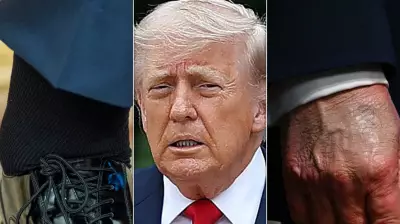
The United Nations has officially adopted a controversial Gaza stabilization plan originally proposed by former U.S. President Donald Trump, sparking dramatically different reactions from Israeli leadership and Hamas officials.
International Response to the UN Decision
Israeli Prime Minister Benjamin Netanyahu quickly expressed strong support for the UN resolution that authorizes an international stabilization force in Gaza. The plan, which gained momentum during Trump's administration, represents a significant development in the ongoing conflict that has gripped the region.
Meanwhile, Hamas leadership immediately rejected the proposal, characterizing it as unacceptable foreign intervention. The stark contrast in reactions underscores the deep divisions that continue to complicate peace efforts in the troubled territory.

Military Context and Regional Tensions
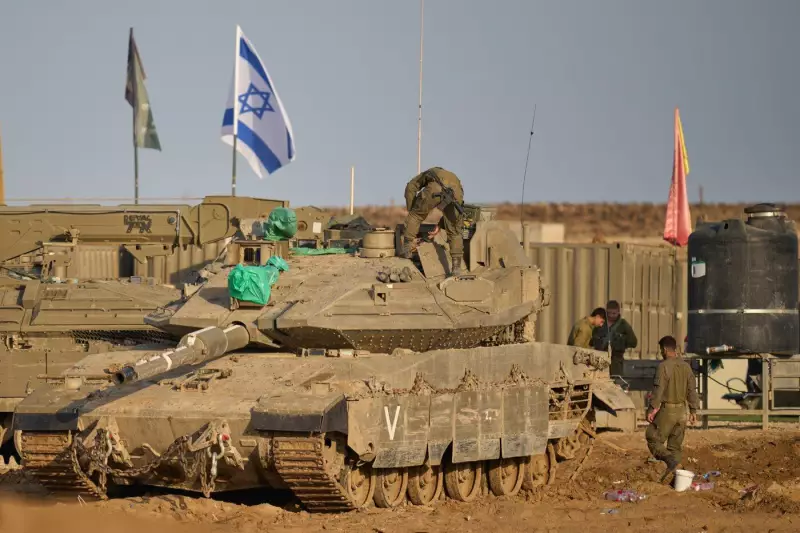
The UN vote comes amid ongoing military operations in the region. Recent photographs from November 18, 2025, show Israeli soldiers working on tanks at a staging area along the Gaza border, highlighting the continued military presence and preparedness in southern Israel.
The timing of the UN decision coincides with other significant international developments, including Trump's announcement that he will sell F-35 fighter jets to Saudi Arabia. This weapons sale, revealed on the eve of the Saudi crown prince's visit to Washington, adds another layer of complexity to regional dynamics.
Broader Implications for Middle East Peace
Analysts suggest the UN adoption of Trump's Gaza plan represents a potential turning point in international approach to the conflict. The authorization of an international stabilization force marks a significant shift in how the global community might intervene in the longstanding dispute.
The sharply divided reactions from key stakeholders indicate that implementation will likely face substantial challenges. While Israel sees the international force as a stabilizing measure, Hamas views it as an infringement on Palestinian sovereignty.
As the situation develops, international observers will be watching closely to see how both sides respond to this new framework for addressing the Gaza conflict. The success or failure of this approach could have far-reaching consequences for future peace initiatives in the Middle East.