U.S. Diplomatic Initiative Meets International Resistance
The United States has presented a proposal at the United Nations to establish a stabilization force for Gaza, but the initiative is facing significant opposition from multiple international players. According to recent developments, Russia, China, and various Arab nations have expressed serious concerns about the American-led plan.
Historic Site Damage Highlights Ongoing Conflict
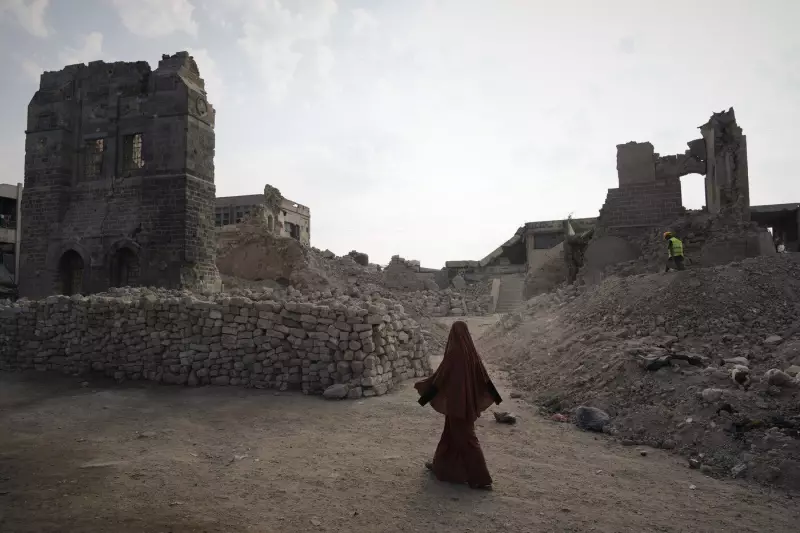
The diplomatic tensions coincide with continued violence in the region, as evidenced by recent damage to the historic Pasha Palace in Gaza City. The building suffered severe damage from an Israeli airstrike during the ongoing war in the Gaza Strip. Photographic documentation from November 13, 2025, shows a Palestinian woman walking past the damaged historic site, underscoring the urgent need for stabilization efforts in the area.
Multilateral Opposition Challenges U.S. Diplomacy
The American proposal represents one of the most significant international interventions proposed for the Gaza region. However, the coordinated opposition from both permanent UN Security Council members and regional stakeholders creates substantial obstacles for the plan's implementation. The concerns raised by these nations suggest deep divisions in the international community's approach to resolving the Gaza conflict.

The timing of these diplomatic maneuvers comes amid escalating violence that has damaged cultural heritage sites and civilian infrastructure throughout Gaza. The Pasha Palace incident demonstrates how the conflict continues to affect historically significant locations in addition to residential areas.
International observers note that the resistance from multiple fronts indicates the complexity of achieving consensus on Gaza stabilization measures. The situation requires careful diplomatic navigation as the United States seeks to advance its proposal while addressing the substantive concerns raised by other global powers and regional actors.