U.S. and Iran Make Significant Progress in Nuclear Negotiations
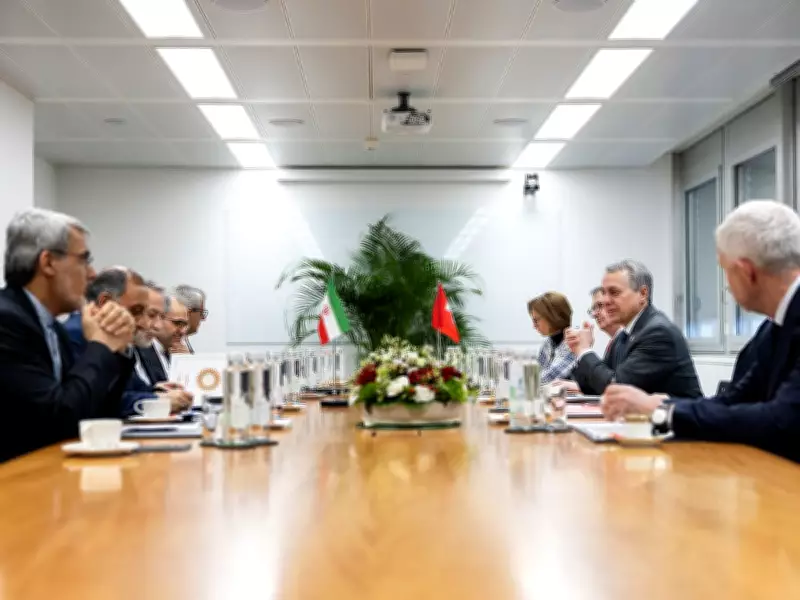
In a cautiously optimistic development, the United States and Iran have advanced their nuclear talks during meetings held in Geneva on Tuesday. According to a U.S. official who requested anonymity, Tehran's negotiators are scheduled to return with a new proposal within two weeks. This progress suggests a reduced likelihood of an imminent military confrontation between the two nations.
Diplomatic Momentum Builds Despite Challenges
The official indicated that Iran would present detailed proposals aimed at bridging the remaining gaps between the two sides, while acknowledging that numerous details still require discussion. "In some ways, it went well," stated Vice President JD Vance during a Fox News interview later that day. "But in other ways, it was very clear that the president has set some red lines that the Iranians are not yet willing to actually acknowledge and work through. So we're going to keep on working it."
Iranian Foreign Minister Abbas Araghchi, who met with U.S. Special Envoy Steve Witkoff in Geneva, told state television that the parties had reached a "general agreement" on the terms of a potential nuclear deal. This agreement would involve lifting sanctions on Tehran while easing the risk of broader conflict in the Middle East.

Next Steps in the Negotiation Process
According to Araghchi, the two sides will now draft and exchange texts for a potential agreement before scheduling a third round of talks. He cautioned that this next phase would be "more difficult and detailed," emphasizing the complexity of the remaining negotiations.
Iran's Foreign Ministry Spokesman Esmail Baghaei indicated Tehran's commitment to the process, stating that the Iranian delegation was "ready to stay longer to finalize any agreement, several days or even weeks," according to the semi-official Iranian Students' News Agency.
Military Tensions Persist Amid Diplomatic Progress
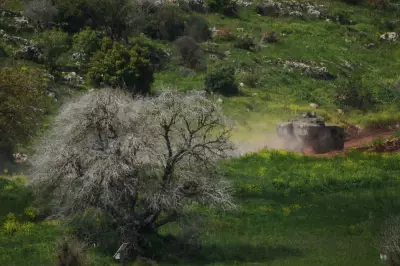
The diplomatic advances occurred against a backdrop of continued military posturing in the Persian Gulf region. Iran announced it would temporarily close part of the Strait of Hormuz for several hours due to military exercises, while the United States has deployed a second aircraft carrier to the area.
Despite these military movements, the progress in Geneva represents a significant step toward potentially resolving longstanding tensions. A successful agreement could lead to the lifting of numerous sanctions on Iran's oil industry and broader economy in exchange for substantial restrictions on its nuclear program.
Market Reactions and Regional Implications
Financial markets responded to the diplomatic developments, with West Texas Intermediate crude oil erasing earlier gains to drop below $63 per barrel following Araghchi's comments. Brent crude prices have risen approximately 13 percent this year, largely driven by U.S.-Iran tensions and concerns about potential conflict in the oil-rich region.
The negotiations have proceeded despite initial confusion about their scope and the context of U.S. military threats. President Donald Trump brought Tehran to the talks under the threat of potential airstrikes, creating a complex diplomatic environment that negotiators have navigated to reach this point of progress.