U.S. and Iran Prepare for Ceasefire Talks as Netanyahu Authorizes Negotiations with Lebanon
In a significant development in the ongoing Middle East conflict, the United States and Iran are preparing to engage in ceasefire talks, while Israeli Prime Minister Benjamin Netanyahu has authorized negotiations with Lebanon. This dual diplomatic initiative marks a potential turning point in regional tensions, as stakeholders seek to de-escalate hostilities through dialogue.
Ceasefire Negotiations Between U.S. and Iran
The United States and Iran are set to commence ceasefire discussions, aimed at addressing the broader regional conflict that has seen periodic flare-ups in violence. These talks come amid heightened international pressure for a peaceful resolution, with both nations recognizing the need to prevent further escalation. The negotiations are expected to focus on key issues such as security guarantees, economic sanctions, and regional stability, with observers hoping for a breakthrough that could pave the way for lasting peace.
Israel's Authorization of Talks with Lebanon
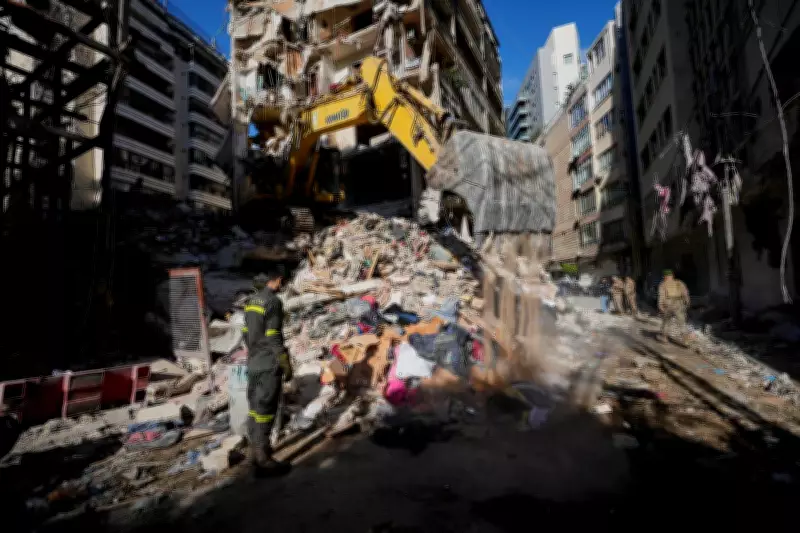
Simultaneously, Israeli Prime Minister Benjamin Netanyahu has authorized negotiations with Lebanon, a move that signals a willingness to engage diplomatically with its northern neighbor. This decision follows recent incidents, including an Israeli airstrike in Beirut that destroyed a building, highlighting the urgent need for dialogue to prevent further casualties and property damage. The talks with Lebanon are anticipated to cover border disputes, security arrangements, and humanitarian concerns, with the goal of reducing tensions along the Israel-Lebanon frontier.

Regional Implications and Challenges
The preparation for these talks underscores the complex dynamics of the Middle East conflict, where multiple actors are involved in overlapping disputes. While the U.S.-Iran negotiations could influence broader regional policies, the Israel-Lebanon talks address more localized issues. However, challenges remain, including deep-seated mistrust, historical grievances, and the involvement of non-state actors. Success will depend on the commitment of all parties to compromise and adhere to any agreements reached.
As these diplomatic efforts unfold, the international community watches closely, hoping that dialogue can replace violence and lead to a more stable Middle East. The outcomes of these talks could have far-reaching effects on global security and economic stability, making them a critical focus for policymakers worldwide.