U.S. and Iran Prepare for Second Round of Talks as Maritime Activity Increases in Strait of Hormuz
Diplomatic efforts are currently underway to organize a second round of talks between the United States and Iran, as reports emerge of ships transiting the strategically vital Strait of Hormuz. This development occurs against a backdrop of heightened regional tensions and global concerns over maritime security in the Middle East.
Renewed Diplomatic Engagement Amidst Escalating Tensions
The push for renewed dialogue follows a period of significant strain in U.S.-Iran relations, marked by recent military actions and economic measures. Analysts note that the timing of these diplomatic overtures is critical, as both nations seek to de-escalate potential conflicts while addressing longstanding disputes over nuclear programs and regional influence.
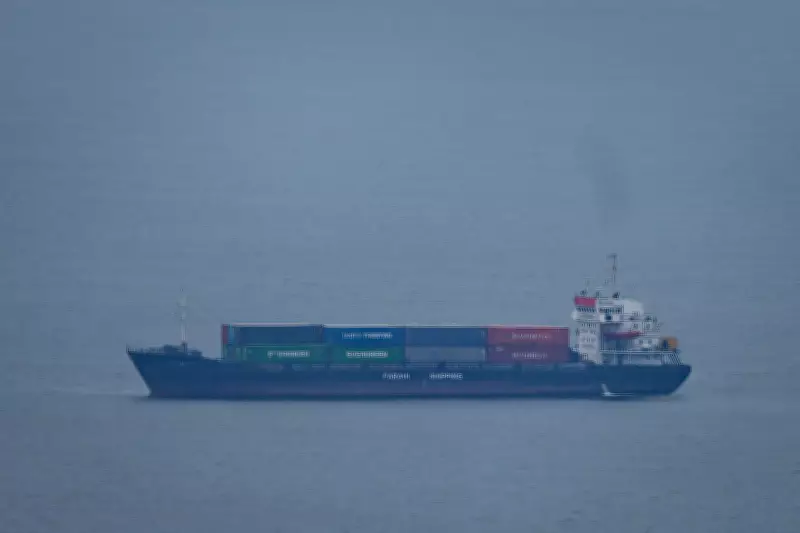
Maritime activity in the Strait of Hormuz has drawn particular attention, with multiple vessels reported navigating the narrow waterway that serves as a crucial chokepoint for global oil shipments. The strait's strategic importance cannot be overstated, as approximately one-fifth of the world's petroleum passes through these waters annually, making any disruption a matter of international economic concern.

Global Implications and Regional Stability
International observers are closely monitoring the situation, recognizing that successful negotiations could pave the way for improved stability in the Middle East. However, the path forward remains fraught with challenges, including divergent political objectives and historical animosities that have complicated previous diplomatic initiatives.
The reported ship movements through the Strait of Hormuz underscore the delicate balance between military preparedness and diplomatic engagement. Security experts emphasize that while naval presence in the region serves as a deterrent, it also risks escalating tensions if not carefully managed alongside diplomatic channels.
Broader Context of Middle East Diplomacy
These talks represent just one facet of complex geopolitical maneuvering in the Middle East, where multiple state and non-state actors vie for influence. The outcome of U.S.-Iran negotiations could have ripple effects across the region, potentially influencing conflicts in neighboring countries and shaping alliances for years to come.
As preparations for the second round of talks advance, stakeholders from Europe to Asia are expressing cautious optimism while urging both parties to approach negotiations with flexibility and a genuine commitment to finding common ground. The international community largely agrees that diplomatic solutions, however difficult to achieve, offer the most sustainable path toward reducing regional hostilities and ensuring the free flow of commerce through vital maritime corridors.