U.S. Expresses Optimism on Iran Peace Deal Amid Naval Blockade and Sanctions
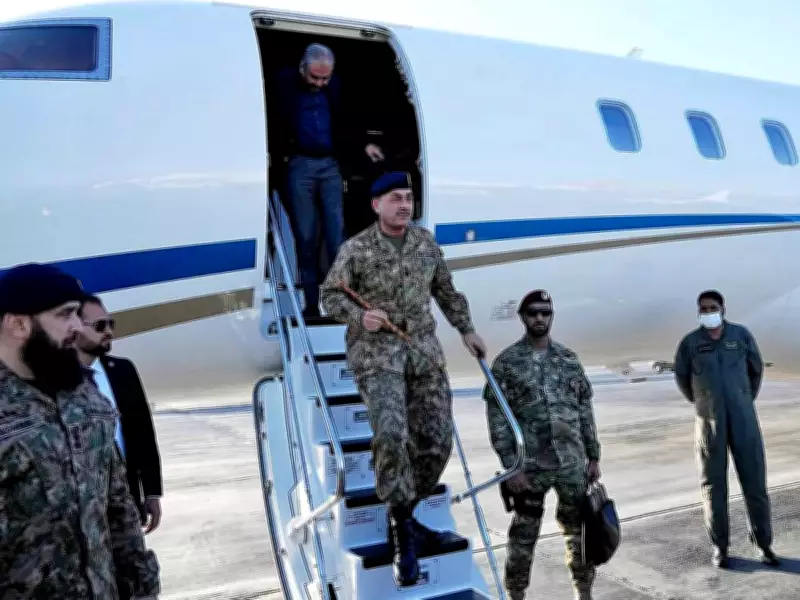
Despite an ongoing U.S. naval blockade on Iranian ports and new threats from Iran, the Trump administration has stated that the prospect of a deal with Tehran to end the war in the Middle East "feels good." This announcement comes as diplomatic efforts intensify, with Pakistan's army chief Asim Munir meeting Iran's Foreign Minister Abbas Araghchi in Tehran to ease regional tensions.
Diplomatic Moves and Peace Prospects
Speaking to reporters at a news briefing, White House Press Secretary Karoline Leavitt indicated that the Pakistani capital of Islamabad would likely host a potential second round of in-person talks. "Nothing is official until you hear it from us here at the White House," Leavitt emphasized, underscoring the cautious optimism in Washington.
In a post on social media, Araghchi expressed delight in welcoming Munir to Iran, thanking Pakistan for hosting dialogue and highlighting the deep bilateral relationship. "Our commitment to promoting peace and stability in the region remains strong — and shared," he added, reflecting mutual efforts toward a peaceful resolution.

Escalating Tensions and Economic Pressure
However, progress toward peace is shadowed by escalating military and economic actions. The U.S. naval blockade of Iranian ports has entered its third day, with Adm. Brad Cooper, head of U.S. Central Command, confirming that forces have "completely halted economic trade going in and out of Iran by sea." During the blockade's first 48 hours, no vessels breached the enforcement, and ten were redirected back to Iranian ports.
In response, Iran has threatened to disrupt Gulf trade. Commander Ali Abdollahi of Iran's joint military command warned that Iran "would not allow any exports or imports to continue in the Persian Gulf, the Sea of Oman and the Red Sea" if the blockade persists. Although Iran does not border the Red Sea, its Houthi allies in Yemen have previously targeted vessels in this crucial shipping corridor.
New Sanctions and Economic Impact
Adding to the pressure, U.S. Treasury Secretary Scott Bessent announced new sanctions aimed at inflicting further economic pain on Iran. The White House has warned countries and private companies of potential sanctions for engaging in business with Tehran. These measures target oil transport infrastructure, sanctioning over two dozen individuals, companies, and ships linked to petroleum shipping magnate Mohammad Hossein Shamkhani, whose father was a top adviser to Iran's slain supreme leader.
The blockade and sanctions could severely impact Iran's economy, while Tehran's earlier closure of the Strait of Hormuz has already driven energy prices higher. As both sides navigate these complex dynamics, the path to peace remains fraught with challenges, but diplomatic channels stay open, offering a glimmer of hope amid the turmoil.