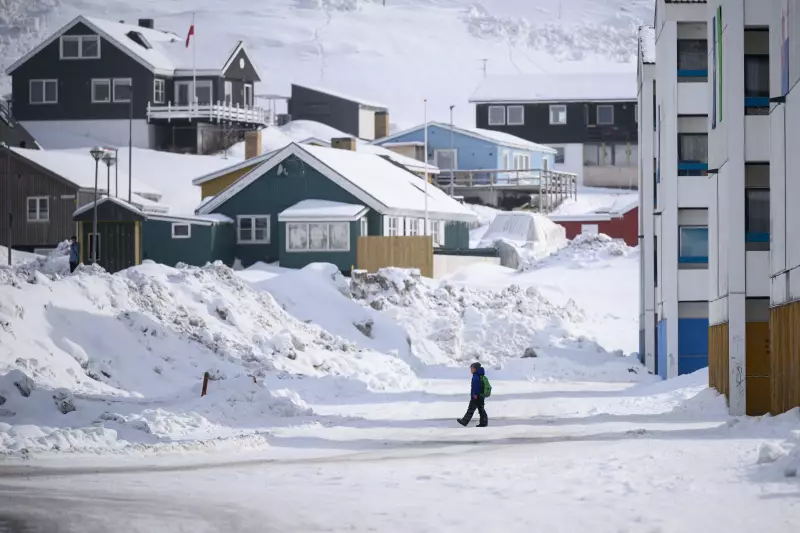
Historical records confirm that the United States has previously attempted to acquire the vast Arctic territory of Greenland, an effort that did not succeed. This geopolitical footnote highlights the long-standing strategic interest in the world's largest island.
A Historical Geopolitical Gambit
The initiative, which dates back decades, was a serious proposition from Washington. The motivation stemmed from Greenland's significant strategic position in the North Atlantic and Arctic, an area rich in natural resources and of growing importance for global shipping and defense. The U.S. government formally explored the possibility of purchasing the island from Denmark, which has held sovereignty over Greenland since the 18th century.
This was not a casual inquiry but a calculated move during a period of shifting global power dynamics. American officials viewed control of Greenland as a way to extend its defensive perimeter and secure access to critical regions. The island's location between North America and Europe made it a prized asset for military and scientific operations, particularly during the Cold War era.

Why the Proposal Ultimately Failed
The proposal, however, was firmly rejected. Danish authorities and the people of Greenland showed no interest in transferring sovereignty. The notion of selling a territory and its people was widely seen as anachronistic and politically unacceptable. The failed attempt remains a notable chapter in the diplomatic history of the North Atlantic.
This historical context resurfaces periodically, especially when discussions about Arctic sovereignty and resource development intensify. The idea of a large nation purchasing sovereign territory from another is exceedingly rare in modern international relations, making this case a unique study.
Greenland's Evolving Role Today
Today, Greenland is a self-governing territory within the Kingdom of Denmark. It has control over most of its domestic affairs, while Denmark manages foreign and security policy. The island's strategic significance has only increased in the 21st century due to climate change opening new Arctic sea lanes and access to untapped mineral resources.
The United States maintains a vital strategic presence on the island through the Thule Air Base, its northernmost military installation, established by agreement with Denmark. This base is a key node in North American aerospace defense and satellite tracking networks. The past purchase attempt underscores the perpetual American focus on Greenland's value, even as the methods of engagement have evolved from acquisition to partnership and defense agreements.
While the direct purchase is a relic of the past, Greenland remains a focal point in Arctic policy for the U.S., Canada, Russia, and European nations, ensuring its place in ongoing geopolitical discussions.