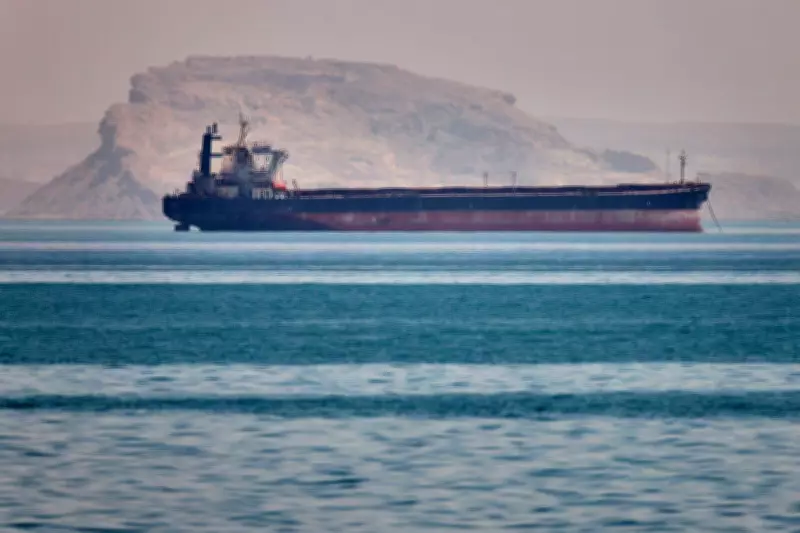
The United States has launched a new initiative to reopen the Strait of Hormuz, a critical maritime chokepoint, testing the fragile ceasefire that ended hostilities between Washington and Tehran. The move comes as both nations navigate a delicate truce following months of escalating conflict in the region.
Strategic Importance of the Strait
The Strait of Hormuz, located between the Persian Gulf and the Gulf of Oman, is a vital passage for global oil supplies. Approximately 20% of the world's petroleum passes through this narrow waterway, making its accessibility crucial for international energy markets. The U.S. attempt to secure freedom of navigation underscores the high economic and strategic stakes involved.
Ceasefire Under Strain
The fragile ceasefire, brokered after intense diplomatic efforts, has held despite sporadic violations. However, the U.S. decision to challenge Iranian control over the strait risks reigniting tensions. Iranian officials have warned that any unilateral action could be seen as a violation of the truce, potentially leading to renewed hostilities.

Analysts suggest that the U.S. is testing Iran's resolve while signaling commitment to allies in the region. The move also aims to reassure global markets that oil shipping routes remain secure. Yet, critics argue that such actions could destabilize the ceasefire and undermine broader peace efforts.
International Reactions
Key stakeholders, including European allies and Gulf states, have urged restraint. The United Nations called for dialogue to avoid escalation. Meanwhile, Iran has deployed naval assets near the strait, raising the specter of direct confrontation. The situation remains fluid, with both sides engaged in diplomatic maneuvers.
Humanitarian and Economic Impact
Beyond geopolitics, the strait's closure has already affected regional economies. Shipping delays and insurance costs have spiked, impacting global supply chains. Humanitarian organizations warn that prolonged disruption could exacerbate shortages in food and medicine for countries reliant on imports through the strait.
As the U.S. pushes forward, the world watches closely. The outcome of this test will likely shape the future of U.S.-Iran relations and the broader Middle East security landscape.