The United States government issued an urgent directive on Monday, January 12, 2026, instructing American citizens to leave Iran immediately. This stark warning comes as widespread protests within the country intensify, leading to a climbing death toll and significant regional security concerns.
Urgent Security Alert and Travel Advisory
The virtual U.S. Embassy for Iran explicitly told Americans to "leave Iran now." Officials emphasized that individuals must develop exit plans that do not rely on U.S. government assistance, given the absence of a diplomatic presence in the country. The security alert highlighted that demonstrations are escalating and possess a high potential for violence, which could result in arrests and injuries.
American nationals are deemed to be at significant risk of questioning, arbitrary arrest, and detention by Iranian authorities. The alert also detailed ongoing disruptions, including increased security measures, road closures, public transportation interruptions, and widespread internet blockages. The Iranian government has restricted access to mobile, landline, and national internet networks.

"U.S. citizens should expect continued internet outages, plan alternative means of communication and, if safe to do so, consider departing Iran by land to Armenia or Türkiye," the statement advised. Airlines have limited or canceled flights, with several suspending service until at least Friday, January 16.
International Response and Escalating Tensions
The security situation has prompted other Western nations to reassess their posture. French media outlets, including Le Figaro and Libération, reported that France has withdrawn non-essential diplomatic staff from its embassy in Tehran. This move underscores the growing security concerns among foreign governments operating in Iran.
Concurrently, President Donald Trump announced a new economic measure targeting the Iranian regime. He stated that, effective immediately, any country conducting business with Iran would be subject to a 25 percent tariff on all business with the United States. "This order is final and conclusive," Trump declared in a post on Truth Social.
Regional Military Posture and Broader Implications
The civil unrest and U.S. response occur against a backdrop of heightened military readiness. Reports indicate that former President Trump is weighing military options, while the Israel Defence Force has gone on a state of high alert. These developments signal a potential for rapid escalation in an already volatile region.
The U.S. State Department has long classified Iran as a Level 4 "Do Not Travel" destination, citing extreme risks such as terrorism, civil unrest, kidnapping, and the wrongful detention of U.S. nationals. The latest advisory reinforces this classification with unprecedented urgency, directly linking the warning to the current protest movement and its violent suppression.
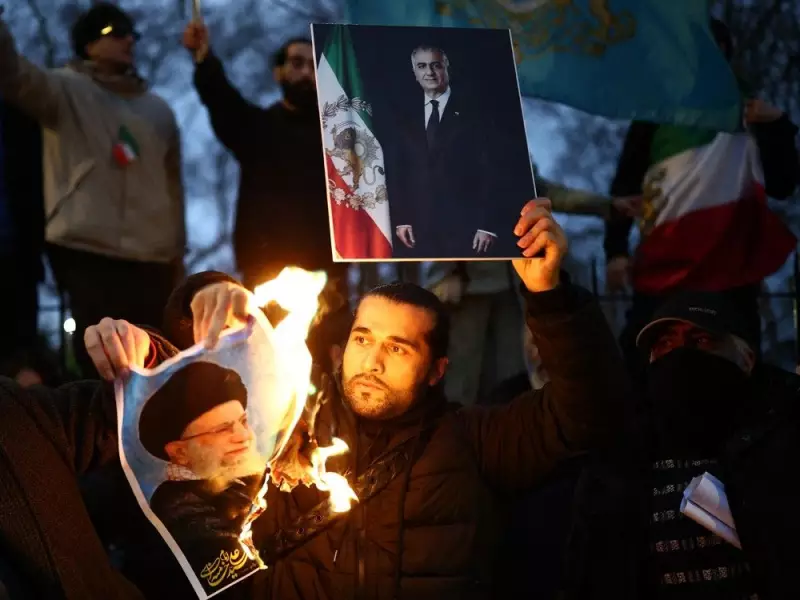
Protests have seen demonstrators in international cities, such as London, burning images of Iran's Supreme Leader Ayatollah Ali Khamenei and displaying pictures of Reza Pahlavi, the son of the last Shah of Iran. The internal dissent, combined with external pressure, creates a complex crisis with implications for global diplomacy and security.