The White House has launched a sharp rebuke against South African President Cyril Ramaphosa for his critical comments regarding the United States' decision to boycott the G20 summit. The diplomatic confrontation emerged on November 20, 2025, marking a significant escalation in tensions between the two nations.
Diplomatic Clash Escalates
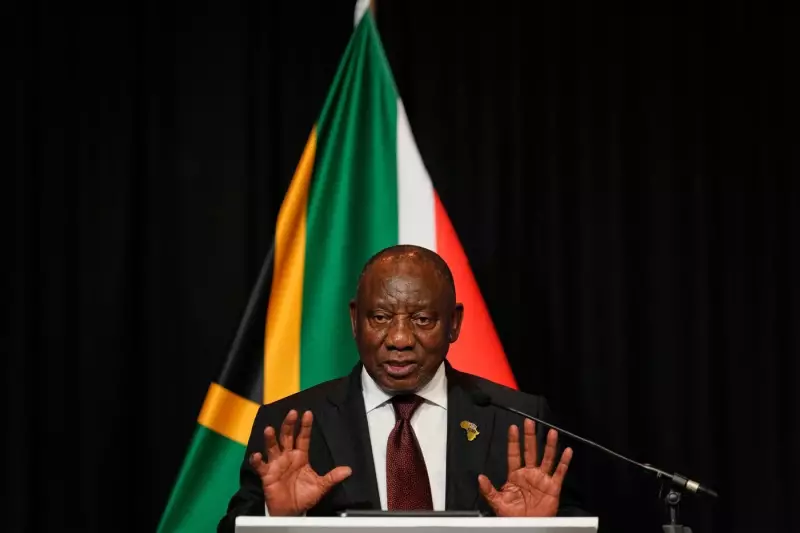
Administration officials expressed strong disapproval of President Ramaphosa's characterization of the American boycott, with one senior White House representative accusing the South African leader of "running his mouth" about matters he allegedly misunderstands. The comments came during Ramaphosa's media briefing with European Union leaders in Johannesburg, where he addressed the U.S. absence from the international gathering.
The confrontation represents one of the most public diplomatic disputes between the United States and South Africa in recent years. White House press secretary Karine Jean-Pierre confirmed the administration's position during her daily briefing, stating that President Ramaphosa's remarks were "uninformed and unhelpful" to international diplomatic efforts.

Background of the G20 Boycott
The United States announced its decision to skip the G20 summit earlier this month, citing scheduling conflicts and competing diplomatic priorities. However, analysts suggest the boycott reflects broader geopolitical tensions and shifting alliance patterns within the international community.
President Ramaphosa had used his platform during the joint media appearance with EU leaders to question the American commitment to multilateral diplomacy. His comments highlighted what he characterized as "concerning patterns of disengagement" from global governance institutions by Western powers.
Regional and Global Implications
The public spat comes at a delicate time for both nations' foreign policy objectives. South Africa has been positioning itself as a leading voice for the Global South, while the United States navigates complex relationships with multiple African nations amid growing Chinese and Russian influence on the continent.
Regional experts note that the timing is particularly sensitive given ongoing trade negotiations and security cooperation discussions between Washington and several African nations. The public nature of the disagreement could complicate these parallel diplomatic efforts.
State Department officials have declined to comment on whether the exchange will affect bilateral relations, though sources indicate behind-the-scenes communications continue between diplomatic channels. The White House emphasized that while they respect South Africa's right to express opinions, factual inaccuracies in President Ramaphosa's statements required correction.
International relations scholars are watching the situation closely, as such public disagreements between democratic nations typically receive more discreet handling. The decision to address the comments so directly signals the importance the Biden administration places on the narrative surrounding its foreign policy decisions.