Alberta Premier Danielle Smith has unveiled a significant shift in provincial health policy, announcing plans to permit surgeons to work in both the public and private health-care sectors. The initiative, termed the "Dual Practice Surgery Model," was introduced via a video posted to social media platform X.
What the New Model Entails
The new framework will allow surgeons and supporting medical professionals to perform a range of elective surgeries—including knee, hip, eye, and shoulder procedures—that are funded by both public and private sources. A key requirement of the model is that participating surgeons must commit to performing a minimum number, or a specific ratio, of publicly funded surgeries each year to maintain their eligibility.
Premier Smith emphasized that all services covered by Alberta Health Insurance will continue to be covered. She stated that the primary difference for patients will be the potential for significantly reduced wait times for their publicly funded surgeries. The government asserts that this change will not affect life-threatening or emergency procedures, such as cancer surgeries, which will remain entirely within the publicly funded system.

Addressing the Surgical Backlog
The provincial government cites a pressing need to address lengthy wait times as the main driver for this policy change. According to official figures, more than 80,000 Albertans are currently on waitlists for elective surgeries, with nearly 35,000 of those individuals having waited longer than what is considered clinically recommended.
"This new model will benefit everyone on the surgical wait lists, as it will alleviate the current queue by moving people up the list faster," Smith explained during her announcement. She also argued that the changes would help retain surgeons and other specialists within the public health system by offering them more flexibility.
Broader Implications and Political Reaction
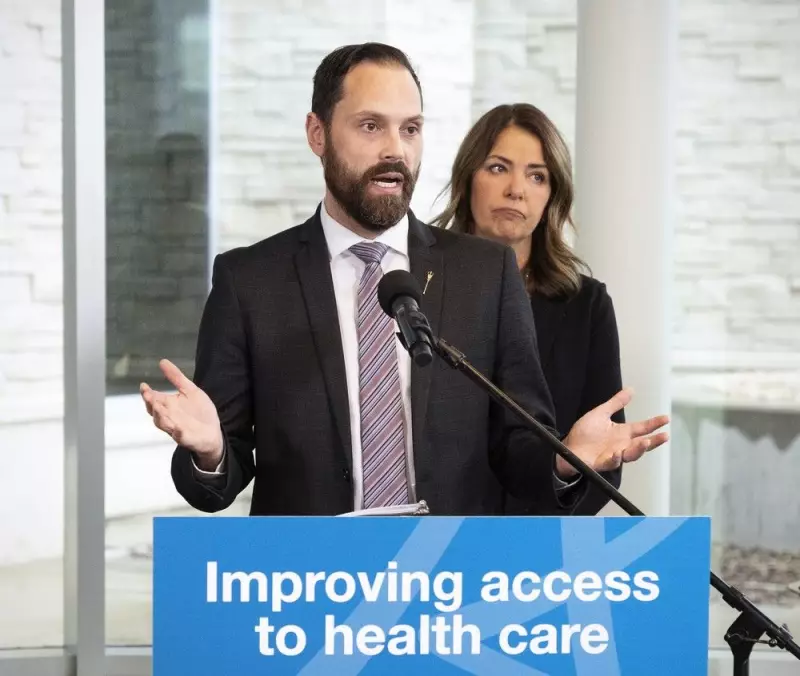
Hospitals and Surgical Health Services Minister Matt Jones provided further details, indicating that the dual-practice model's scope could extend "broader than surgical activity." He noted that while specific legislation has yet to be introduced, it could potentially include family physicians in the future.
Jones highlighted that the province is mindful of the need to safeguard workforce levels in the public system. "The province is mindful that we need to ensure that we have access and workforce in our public system and other jurisdictions have solved this in a number of ways, by putting in safeguards," he told reporters. He also pointed to underutilized facilities, particularly in remote areas of Alberta, as assets that could be better leveraged under the new model.
However, the announcement was met with immediate criticism from the opposition. Alberta NDP primary and preventative health critic Sharif Haji condemned the plan, calling it a step toward dismantling the public health-care system. He expressed concern over the potential for the model to expand beyond surgeries. "This could be access to your family physicians. This could be going to see your primary health-care provider. So we don't know what the limits are," Haji stated.
The policy debate is set to continue as the provincial government moves forward with drafting and introducing the necessary legislation to enact the Dual Practice Surgery Model.