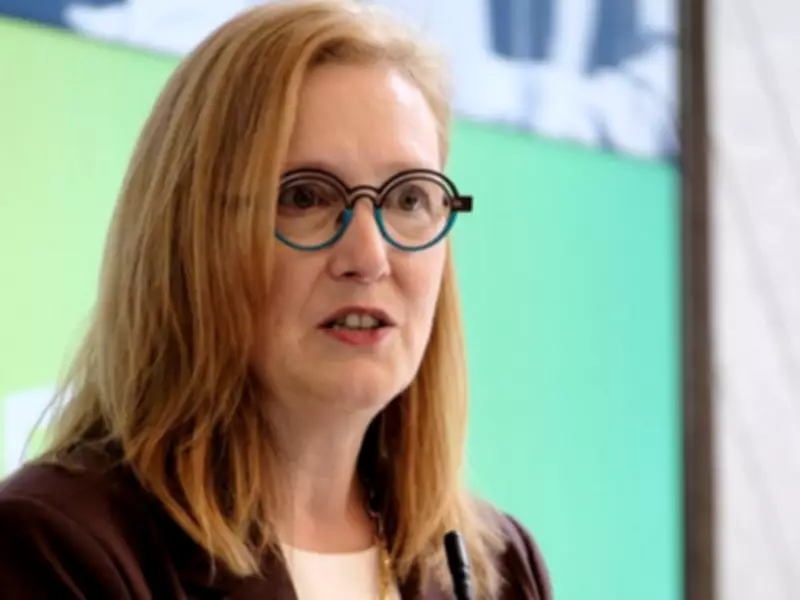
B.C. Budget's Deferral of Long-Term Care Projects Sparks Public Outcry
The recent provincial budget tabled by B.C. Finance Minister Brenda Bailey has ignited significant controversy, particularly regarding the deferral of publicly funded long-term care projects. This decision has prompted strong reactions from residents across British Columbia who are directly affected by the province's aging population and healthcare challenges.
A Personal Perspective on Systemic Failure
Glen Taylor of Coquitlam expressed profound disappointment with the budget's approach to long-term care. As a 70-year-old baby boomer currently caring for two parents in their late 90s who have been wait-listed for long-term care in another province for over a year, Taylor described the situation as "appalling and short-sighted." He painted a grim picture of his parents' prospects and warned of a similar future for his entire generation.
The financial reality of private care is staggering, with Taylor noting that 24 hours of private in-home care can easily cost $24,000 per month. This economic burden has led him to predict increased rates of Medical Assistance in Dying (MAID) applications as people discover the system won't be there for them when they need it most. "I know that the system won't be there for me when my time comes," Taylor stated bluntly.

Broader Economic Concerns
Paul Swinton of Vancouver raised additional concerns about the budget's economic implications. He argued that increasing both income and sales taxes would make British Columbia less attractive for business development and talented professionals. "The recent budget is unfortunately not opening B.C. up for business," Swinton wrote, predicting that these tax hikes would result in reduced business activity, talent migration out of the province, and a shrinking tax base.
Swinton further warned that current problems in the healthcare industry would worsen as the medical talent pool diminishes, creating a compounding effect on an already strained system.
Calls for Fairness in Complex Decisions
Debra Dolan of West Vancouver acknowledged the complexity of budget decisions while emphasizing the importance of fairness. "While I don't have the expertise to offer solutions or interpret details of the provincial budget, I do try to stay informed," she wrote, recognizing that tax increases, rising debt, public-sector job changes, and new investments in health care and education affect people differently based on their circumstances.
Dolan reminded readers that budgets represent more than financial plans—they shape essential services and community stability. Her hope is that decisions made at the highest levels reflect care, fairness, and an understanding of the diverse realities experienced by British Columbians across the province.
Transportation Alternatives Considered
Derek Wilson of Port Moody offered a different perspective on infrastructure spending, suggesting that streetcar lines would have been more economical than the SkyTrain system developed over the past 40 years. He proposed that an extensive network of express and feeder streetcar lines could have been built at significantly lower capital cost, potentially extending service to North Shore communities through a tunnel beneath Burrard Inlet.
Wilson envisioned streetcar routes lined with affordable low-rise apartment and retail buildings, potentially reducing homelessness while creating more earthquake-resilient transportation infrastructure.
Sportsmanship Celebrated
In a lighter note, one correspondent praised Canada's Olympic hockey team despite their failure to win gold, describing them as "a class act" who represented the country with professionalism and dedication, even at personal risk to their professional careers.
The diverse range of responses to the provincial budget highlights the complex challenges facing British Columbia as it balances fiscal responsibility with growing demands for healthcare services, economic competitiveness, and social equity.