The British Columbia Nurses' Union (BCNU) has declared an impasse in contract negotiations and is preparing for a strike vote in May, raising the possibility of job action that could affect hospitals across the province. The announcement came after mediation with veteran negotiator Vince Ready failed to produce a new collective agreement.
Premier Responds to Impasse
Premier David Eby acknowledged the breakdown in talks but expressed hope that a deal could still be reached at the bargaining table. He emphasized the critical role nurses play in the health-care system and recognized the immense stress they face, including long hours and safety concerns. Eby stated that his government is committed to finding a path forward that addresses both the needs of nurses and the sustainability of the health-care system.
Union Concerns Over Benefits and Wages
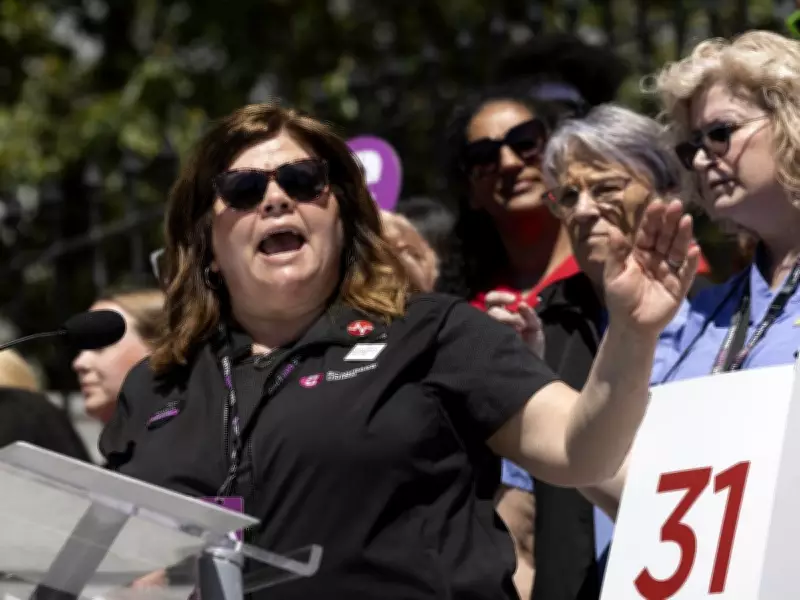
BCNU President Adriane Gear outlined key issues driving the impasse. While the union appreciates a proposed general wage increase of three percent over four years, Gear noted that other public-sector unions have secured an additional two percent over two years, whereas nurses have been offered only 0.4 percent. She also raised alarms about proposed cuts to benefits, including caps on massage therapy coverage, which she argued are unacceptable given the rising injury rates among nurses.

Gear highlighted that injury rates have increased by 25 percent since 2019, and a nurse is forced off duty due to violence every 16 hours. Despite negotiated nurse-to-patient ratios, implementation remains incomplete due to a shortage of nurses in the province. She stressed that now is not the time for cost containment on benefits, as nurses continue to grapple with the aftermath of the COVID-19 pandemic.
Strike Vote and Potential Impact
The union walked away from the bargaining table on April 20 and has scheduled a strike vote from May 8 to May 11. If the vote passes, job action could begin as early as mid-May. As nursing is an essential service, a full-scale walkout is not expected, but nurses may engage in work-to-rule campaigns, such as taking full breaks and refusing overtime. In escalated scenarios, some facilities could face picket lines while others remain operational.
Expert Analysis
Barry Eidlin, an associate sociology professor at McGill University, noted that health-care strikes have become more common across Canada due to rising living costs and post-pandemic pressures. He pointed out that the B.C. government faces particular scrutiny because the NDP is traditionally seen as the party of unions, making the current labour dispute politically sensitive.
As the strike vote approaches, both sides remain at odds, with the union demanding better wages, benefits, and working conditions, while the government emphasizes the need for fiscal responsibility. The outcome will have significant implications for patients and health-care workers across British Columbia.