Emergency Physicians Sound Alarm on Alberta's Healthcare Changes
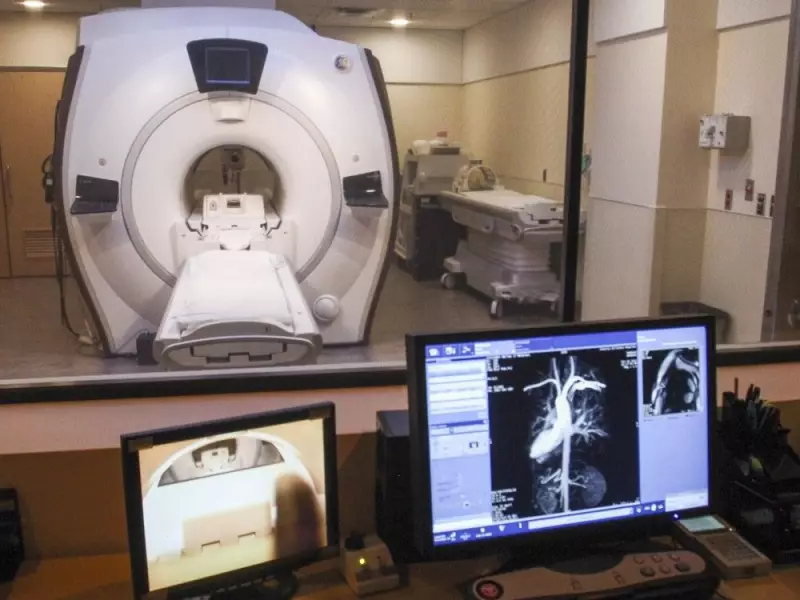
Emergency room doctors across Alberta are raising serious concerns about the provincial government's recent announcement that will allow residents to pay privately for diagnostic screening tests. The new legislation, revealed in November 2025, permits Albertans to use out-of-pocket payments or private insurance for services including MRI and CT scans, full-body scans, and blood work.
As emergency physicians who witness daily how delayed diagnostics can turn manageable conditions into crises, we find this development deeply troubling. While reducing wait times is a shared goal, the private-pay solution introduces significant risks to our universal healthcare system.
The False Promise of Faster Access
The government's proposal appears appealing on the surface - offering patients more choice, expanding capacity, and bringing private investment into diagnostic services. Officials argue this approach will relieve pressure on public services and accelerate elective testing.

However, healthcare operates with finite resources. The critical missing element in Alberta's plan is any mechanism to instantly increase the number of technicians, doctors, nurses, and other essential personnel needed to perform these diagnostic tests. Creating a parallel private-pay system inevitably draws staff and equipment away from public-pay patients, ultimately lengthening their wait times.
When healthcare providers divide their time between public and private sectors, the public queue typically grows longer because no new total capacity is created - existing resources are simply redistributed to serve those who can afford to pay.
Lessons from Canada and Beyond
Private payment models are not untested concepts in Canadian healthcare. Previous experiments with private pay across Canada have consistently demonstrated worsened wait times for those unable to afford private care. International evidence supports these findings, showing that introducing private payment within universal publicly funded systems consistently damages access, equity, quality of care, and health outcomes.
From the emergency room perspective, these changes carry profound implications. Diagnostic imaging serves as a crucial resource for triaging patients and preventing complications. When technologists and radiologists are drawn toward private-pay facilities, publicly funded access to diagnostic screening erodes.
The downstream effect means slower access for all patients relying on the public system, potentially leading to more emergency department visits from patients with advanced diseases and crisis conditions that could have been prevented with timely diagnostics.
Alberta's healthcare system stands at a crossroads, and the choice between preserving equitable access and creating a two-tiered system will have lasting consequences for all residents, regardless of their ability to pay for private medical testing.