In a significant escalation of federal immigration operations, approximately 1,000 additional U.S. Immigration and Customs Enforcement (ICE) officers are being dispatched to Minneapolis, Minnesota, according to sources familiar with the matter. This substantial deployment comes amid heightened community tensions following a fatal shooting involving ICE agents earlier this month.
Background: A Fatal Incident Sparks Unrest
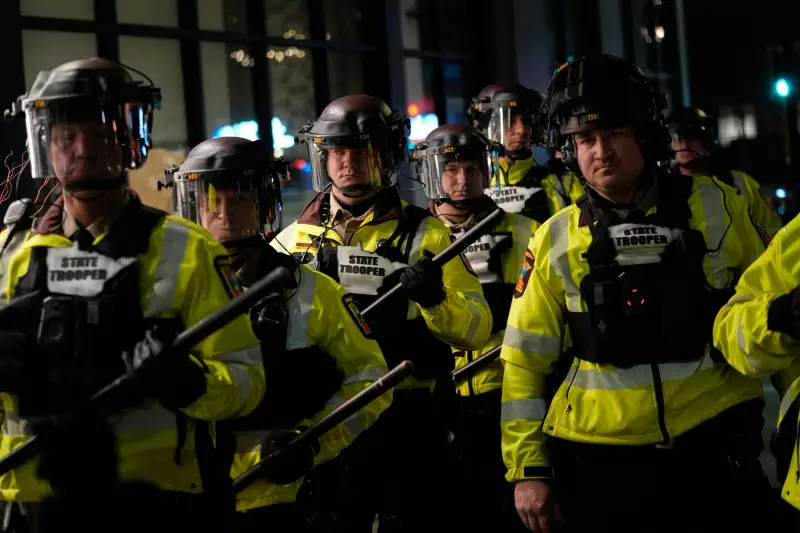
The decision to bolster forces follows a deadly encounter in early January 2026 that resulted in a civilian death. While specific details of the shooting remain under investigation, the incident has acted as a catalyst for widespread public outcry and protest. On January 9, 2026, demonstrators gathered in Minneapolis for a protest and noise demonstration, demanding an end to federal immigration enforcement operations in the city. Minnesota State Patrol officers were present at the event, which was captured in images distributed by the Associated Press.
Scale and Scope of the Federal Response
The movement of around a thousand officers represents a major surge in personnel for ICE operations in the Midwest region. Sources indicate this mobilization is intended to reinforce existing teams and manage the increasingly volatile situation on the ground. The scale of the response highlights the federal government's concern over maintaining operational control and security following the controversial shooting.

This development occurs within a complex North American context, where immigration policy remains a deeply divisive issue. While the events are unfolding in the United States, they resonate in Canada, where advocacy groups have held solidarity protests. Notably, an 'ICE Out' protest was recently held at the U.S. Consulate in Vancouver, demonstrating the cross-border impact of U.S. enforcement actions.
Broader Implications and Community Reaction
The reinforced presence of federal agents is likely to further inflame tensions in Minneapolis communities already distrustful of immigration authorities. Advocacy groups have condemned the shooting and the subsequent troop increase, arguing it will lead to greater fear and less cooperation with law enforcement.
The situation underscores the ongoing challenges and human costs associated with aggressive immigration enforcement strategies. As the additional officers arrive, local leaders and community organizations are bracing for increased interactions and potential confrontations. The coming weeks will be critical in determining whether this show of force quells unrest or provokes further division.
All eyes remain on Minneapolis as it becomes the focal point for a national debate on the methods and consequences of U.S. immigration policy.