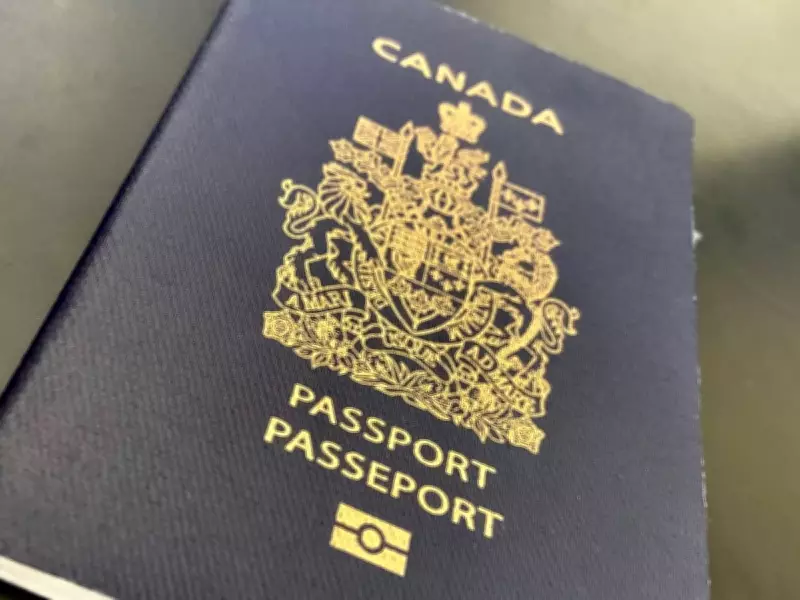
Bill C-3 Citizenship Expansion Sparks Debate Over National Identity and Security
In December, the Liberal government implemented Bill C-3, a sweeping citizenship reform that extends Canadian citizenship to individuals worldwide who can prove they have a Canadian ancestor, regardless of how distant that connection might be. This policy applies to anyone over three months old and represents a fundamental shift in how Canada defines citizenship.
Potential Impact on Democratic Processes and Social Systems
The legislation has sparked significant debate about its potential consequences. Critics argue that millions of people with no previous connection to Canada could gain voting rights in Canadian elections without having contributed to the country's economy or society. These new citizens would also become eligible for Canada's social safety net programs, raising questions about resource allocation and integration.
Security concerns have emerged as a central issue in the discussion. Opponents of the bill warn that the policy could potentially allow organized criminals, terrorists, scammers, drug dealers, and other undesirable elements to gain Canadian citizenship. The legislation's broad scope has raised questions about adequate screening processes and fraud prevention measures.

Early Implementation Statistics and Application Trends
According to Immigration, Refugees and Citizenship Canada, the initial implementation phase saw 1,480 people become citizens through Bill C-3 in its first month and a half, with 6,280 applications processed during that period. The government has not provided estimates for how many people might eventually utilize this pathway to citizenship.
Online communities have become hubs for applicants navigating the new system. On platforms like Reddit's r/Canadiancitizenship, users share application strategies, celebrate approvals, and discuss documentation requirements. Some reports indicate that ancestry records from services like Ancestry.com are being accepted as sufficient proof of Canadian heritage.
Notable Application Cases and Processing Anomalies
Several noteworthy cases have emerged from early implementation. One user reported that their children gained citizenship through a great-great-great-grandparent born in Ontario who died in the United States in 1922. Another applicant, five generations removed from an ancestor born in New Brunswick, claimed approval within one week without submitting traditional documentation like baptism or birth records.
Processing times have shown significant variation. While the immigration department notes an estimated 10-month processing period for standard applications, some individuals identifying as transgender or parents of transgender children have reported expedited processing times ranging from 10 days to a few weeks. The department acknowledges that people seeking to "avoid situations of potential harm or hardship" related to identity factors can receive priority processing.
Demographic Patterns and Political Implications
Although comprehensive demographic statistics for Bill C-3 applicants remain unavailable, anecdotal evidence suggests many applicants are American citizens seeking to leave the United States. Some political commentators have labeled these individuals "Trumpfugees" and expressed concern that the policy could disproportionately attract progressive Americans dissatisfied with U.S. politics.
The legislation has reignited debates about Canadian sovereignty and national identity. Critics argue that by creating a citizenship pathway accessible primarily to Americans with distant Canadian ancestry, the government risks moving Canada closer to what some describe as "51st-state status" rather than strengthening its distinct national character.
As implementation continues, questions persist about what constitutes sufficient Canadian heritage, how to prevent fraudulent applications, and what it truly means to be Canadian in an era of expanded citizenship eligibility. The long-term effects of Bill C-3 on Canada's demographic composition, political landscape, and social systems remain subjects of ongoing national discussion.