






Deportation Case Defendant Fights Human Smuggling Charges in Tennessee Court
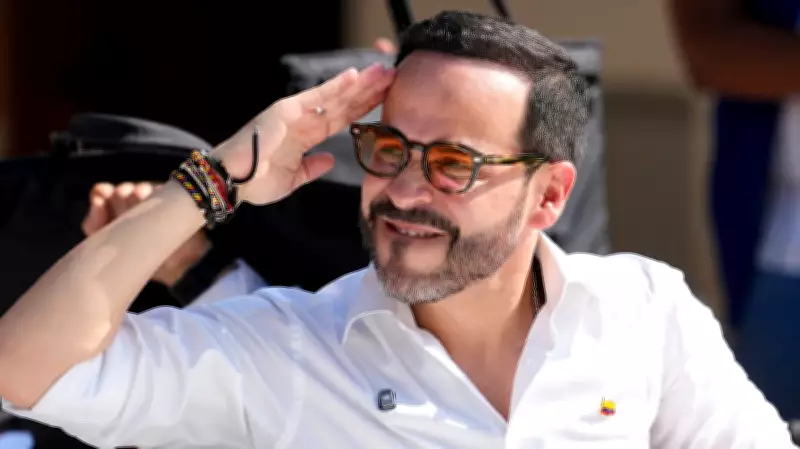
Kilmar Abrego Garcia appeared at a federal courthouse in Nashville, Tennessee on Thursday as his legal team presented arguments to have human smuggling charges against him dismissed. The case has become a focal point in the ongoing national immigration debate, with Abrego Garcia claiming the prosecution represents vindictive retaliation from officials in former President Donald Trump's administration.
Complex Immigration History
Abrego Garcia, a 30-year-old Salvadoran citizen, initially entered the United States illegally as a teenager but has since established deep roots in the country. He is married to an American citizen and has a child, having lived and worked in Maryland for years under the supervision of U.S. Immigration and Customs Enforcement. Despite his long-term presence in the U.S., his immigration status has remained precarious.
In 2019, an immigration judge determined that Abrego Garcia faced significant danger if returned to El Salvador, where a gang had threatened his family. This ruling resulted in a court order preventing his deportation to that country. However, last year he was mistakenly deported to El Salvador anyway, prompting intervention from the U.S. Supreme Court.
Supreme Court Intervention and Return
The Supreme Court ruled that the Trump administration must work to bring Abrego Garcia back to the United States following his wrongful deportation. After being returned to the country, he was immediately confronted with criminal charges related to a 2022 traffic stop in Tennessee. He has pleaded not guilty to the human smuggling allegations.
Body camera footage from the Tennessee Highway Patrol shows a calm exchange between officers and Abrego Garcia after he was pulled over for speeding. Although there were nine passengers in the vehicle and officers discussed potential smuggling concerns among themselves, Abrego Garcia was ultimately allowed to continue driving with only a warning.
Judicial Concerns About Prosecution
U.S. District Judge Waverly Crenshaw has expressed significant concerns about the nature of the prosecution. The judge previously noted that evidence suggests the case "may be vindictive" and that statements by Trump administration officials "raise cause for concern."
Judge Crenshaw specifically cited a statement by Deputy Attorney General Todd Blanche that appeared to suggest the Department of Justice charged Abrego Garcia because he successfully challenged his wrongful deportation. This has raised questions about whether the prosecution represents legitimate law enforcement or political retaliation.
Legal Battle Over Testimony and Documents
Abrego Garcia's attorneys have engaged in months of legal sparring with prosecutors regarding what evidence would be presented at Thursday's hearing. Central to the dispute is whether officials like Blanche would be required to testify and what internal Department of Justice emails would need to be disclosed.
First Assistant U.S. Attorney for the Middle District of Tennessee Rob McGuire has argued that he alone made the decision to prosecute, making the motives of other officials irrelevant. However, Judge Crenshaw's review of disputed documents suggests a different narrative.
Evidence of Collaborative Decision-Making
In an order unsealed in late December, Judge Crenshaw wrote that documents indicate "not only that McGuire was not a solitary decision-maker, but he in fact reported to others in DOJ and the decision to prosecute Abrego may have been a joint decision."
This finding challenges the prosecution's assertion that the charging decision was made independently and without improper influence from higher-ranking officials. The documents reviewed by the court suggest coordination within the Department of Justice regarding Abrego Garcia's case.
The hearing represents a critical juncture in a case that has drawn national attention to immigration enforcement practices and the potential for political influence in prosecutorial decisions. As Abrego Garcia arrived at the courthouse with his wife Thursday morning, the proceedings unfolded against the backdrop of broader debates about immigration policy and justice system integrity.