U.S. Immigration Officers Step Up Amid Airport Shutdown Chaos
In response to mounting travel disruptions caused by a government shutdown, immigration officers at U.S. airports are taking on enhanced roles to manage the escalating crisis. As the shutdown frustrates both travelers and screeners, these officers are being deployed to assist with non-traditional duties, including passenger screening and logistical support, to alleviate the strain on Transportation Security Administration (TSA) personnel.
Travel Gridlock and Operational Strain
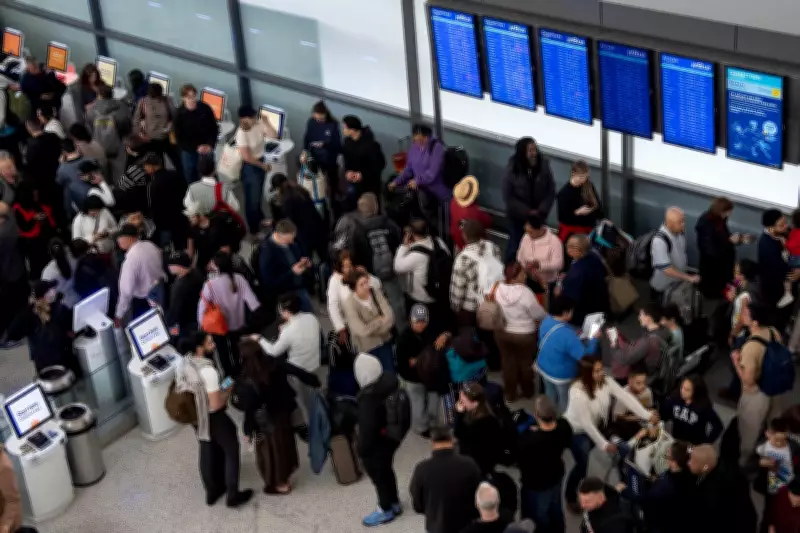
The shutdown has led to significant delays and long wait times at major airports across the country, with scenes of crowded terminals becoming increasingly common. At John F. Kennedy International Airport in New York, for instance, passengers were seen waiting in extensive TSA lines on Sunday, March 22, 2026, highlighting the widespread impact. This operational strain is forcing immigration officers, who typically handle border control and visa processing, to step in and help manage the overflow, a move aimed at preventing complete gridlock.
Key challenges include:

- Reduced TSA staffing due to the shutdown, leading to understaffed checkpoints.
- Increased passenger volumes as travel demand remains high despite the disruptions.
- Logistical hurdles in coordinating between different agencies to maintain security standards.
Broader Implications for Airport Security and Efficiency
This shift in responsibilities raises questions about airport security and efficiency. While immigration officers are trained professionals, their expanded roles may lead to potential bottlenecks in immigration processing itself, as resources are diverted. Experts warn that prolonged reliance on such measures could compromise both security protocols and passenger experience, emphasizing the need for a swift resolution to the shutdown.
"The enhanced role for immigration officers is a temporary fix, but it underscores the broader vulnerabilities in our airport systems during political standoffs," noted an aviation analyst. "Travelers should expect continued delays and advise checking airport statuses before heading out."
As the shutdown persists, airports are implementing contingency plans, but the situation remains fluid. Travelers are encouraged to stay informed through official channels and consider alternative arrangements if possible. The ongoing disruptions serve as a stark reminder of how political impasses can ripple through critical infrastructure, affecting millions of Americans and international visitors alike.