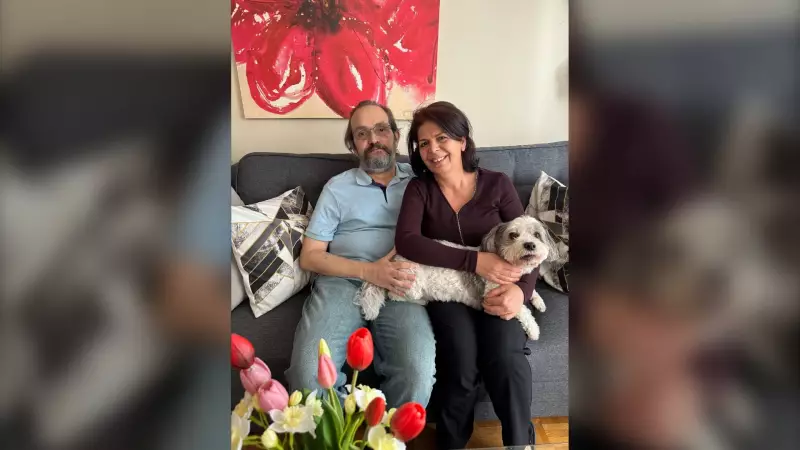
In a quiet Thornhill, Ontario home, a former doctor for Iran's powerful Islamic Revolutionary Guard Corps (IRGC) voices a fervent hope that the ongoing protests in his homeland will finally lead to an end to the state's harsh crackdowns. Dr. Shahram Aazam, alongside his wife Frouzan Abdar Zadeh, represents a segment of the Iranian diaspora in Canada watching events unfold with a mix of anguish and cautious optimism.
A Voice from the Diaspora in Ontario
Dr. Shahram Aazam's personal history with the IRGC, a key military and security force in Iran, provides a unique perspective on the current unrest. Having served within the institution, his decision to now speak out against the government's actions underscores the deep divisions and widespread dissatisfaction. His hope for an "end of this brutality" echoes the sentiments of many Iranians both inside and outside the country who have grown weary of violent state responses to dissent.
Canadian Cities Become Hubs for Advocacy
The calls for change are not confined to living rooms in the Greater Toronto Area. Simultaneously, Iranians in Ottawa have been publicly urging the United States and other international actors to intervene as the reported death toll from the government's crackdown continues to climb. In Montreal, protesters have directed their appeals closer to home, calling on media outlets to provide more extensive and consistent coverage of the demonstrations in Iran, arguing that global attention is crucial.

These coordinated actions across major Canadian cities highlight the organized efforts of the expatriate community to keep the plight of protesters in the international spotlight. The activism in Ottawa and Montreal shows a diaspora actively leveraging Canada's platform to advocate for human rights and political change in their country of origin.
The Personal Cost and a Plea for the Future
For individuals like Dr. Aazam, the situation is profoundly personal. His journey from within the IRGC to a critic speaking from the safety of Canada illustrates a significant personal and political transformation. His statement is not just a political commentary but a heartfelt plea for a more peaceful and just Iran. The protests, which have seen significant participation from various segments of Iranian society, represent a sustained challenge to the authorities, and observers like Aazam hope they may reach a critical point that forces substantive change.
The convergence of a former insider's critique and sustained diaspora activism from Canadian soil creates a compelling narrative of hope and pressure. As the world watches, the Iranian community in Canada continues to play a vital role in amplifying the voices of those risking everything on the streets of Iran, clinging to the hope that their efforts will culminate in a new chapter for the nation.