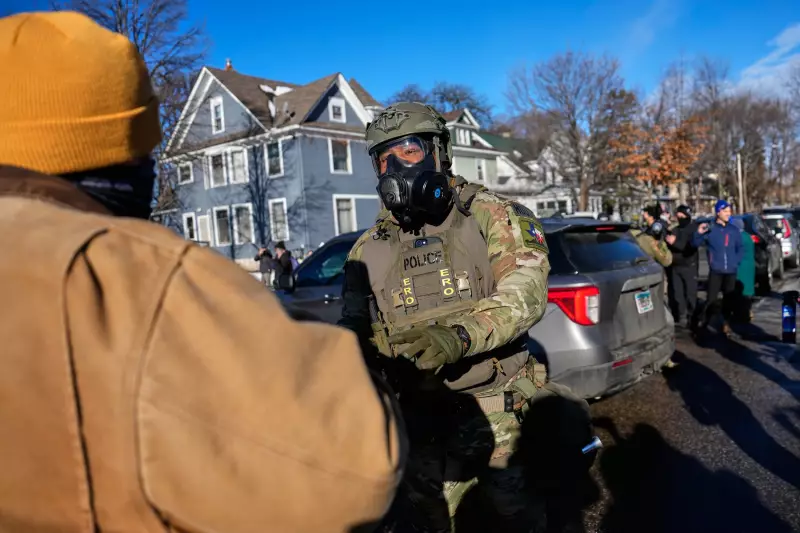
The U.S. Immigration and Customs Enforcement agency, known as ICE, has undergone a profound and dramatic transformation during the presidency of Donald Trump, according to political analyst Jeffrey Bloodworth. The shift, characterized by tactics ranging from agents operating in masks to conducting large-scale immigration raids, has sparked significant public reaction and protest.
A Visible Shift in Tactics and Public Perception
Bloodworth highlights that the agency's operations have become far more visible and aggressive under the Trump administration. This marked change in approach has moved ICE from a primarily enforcement-focused entity to a central symbol in the nation's heated debate over immigration policy. The use of masked agents and coordinated raids has drawn intense scrutiny and fueled widespread demonstrations across the United States.
The analyst suggests that the anti-ICE protests themselves have become a political factor. Bloodworth weighs in on how President Trump could potentially be using the public reaction to these controversial tactics to galvanize his political base and gain favour with specific voter segments ahead of the next election cycle.

The Political Calculus Behind Immigration Enforcement
This strategic evolution of ICE is not seen in a vacuum. Bloodworth's analysis implies a direct link between the agency's operational changes and the broader political strategy of the Trump presidency. The highly publicized raids and confrontational tactics serve a dual purpose: fulfilling campaign promises on strict immigration enforcement and creating a clear, divisive issue for the electorate.
The resulting protests, while opposing the administration's policies, may inadvertently play into a political narrative that benefits the president by solidifying support among voters who prioritize strong border security and stringent immigration controls. This dynamic places ICE at the heart of a contentious political battle, transforming it from a law enforcement agency into a potent political symbol.
The lasting impact of this dramatic change within ICE, and how it reshapes both U.S. immigration enforcement and the political landscape, remains a critical issue for analysts and voters alike as the country looks toward future elections.