ICE's Covert Acquisition Strategy for Detention Facilities Sparks Local Outcry
The United States Immigration and Customs Enforcement (ICE) is advancing a massive $45-billion expansion of its immigrant detention network, but the agency's procurement processes remain veiled in secrecy, generating significant frustration and anxiety among affected municipalities. This lack of transparency has left local officials and residents grappling with uncertainty over the implications for their communities.
Secrecy Surrounds Multi-Billion Dollar Expansion
ICE's ambitious plan to significantly enlarge its detention capacity involves substantial federal expenditures, yet details regarding property acquisitions, contractor selections, and operational timelines are being closely guarded. This opacity prevents local governments from conducting thorough planning or engaging in meaningful dialogue about the projects' potential effects on infrastructure, public services, and community dynamics.
The agency has not provided clear rationales for site selections or comprehensive assessments of local impacts, according to sources familiar with the matter. This approach contrasts with standard public project protocols that typically involve community consultations and environmental reviews.

Social Circle, Georgia: A Case Study in Community Concerns
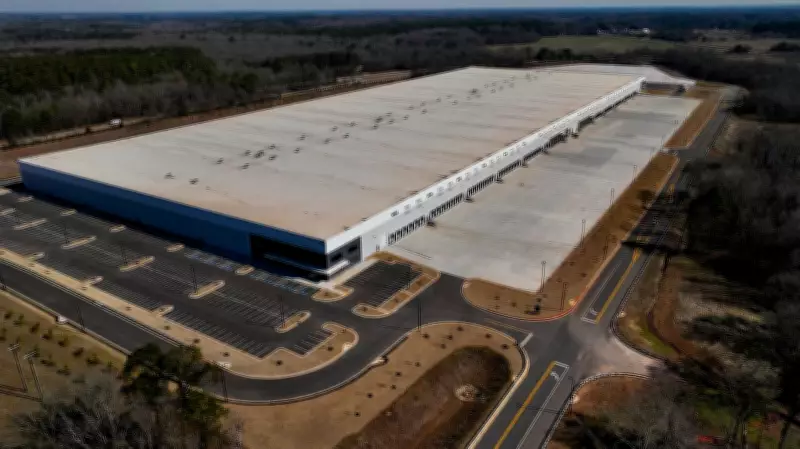
The town of Social Circle, Georgia, exemplifies the challenges faced by communities caught in ICE's expansion path. Local authorities there have expressed particular concern about a newly constructed warehouse facility that appears connected to the detention center initiative. Photographic evidence from February 2026 shows the completed structure, but its exact purpose and relationship to ICE operations remain unspecified by federal officials.
"When federal agencies operate without transparency, it undermines local governance and leaves residents feeling powerless," noted one municipal official who requested anonymity due to the sensitivity of ongoing discussions. "We're left to piece together information from observable developments rather than receiving official communications."
Broader Implications for Federal-Local Relations
This pattern of secretive procurement raises important questions about intergovernmental coordination and accountability. Municipalities typically rely on transparent processes to prepare for changes in land use, population flows, and service demands. ICE's current methodology disrupts this expectation, potentially straining relationships between federal and local entities.
The $45-billion price tag represents one of the most substantial investments in detention infrastructure in recent years, yet the absence of public documentation about expenditure details complicates oversight efforts. Advocacy groups have begun questioning whether proper procurement regulations are being followed and whether competitive bidding processes are being adequately implemented.
Looking Forward: Calls for Greater Transparency
As ICE continues its expansion, pressure is mounting from multiple quarters for increased disclosure. Local governments, civil society organizations, and concerned citizens are urging the agency to adopt more open communication practices regarding:
- Site selection criteria and decision-making processes
- Environmental and social impact assessments
- Timelines for construction and operational commencement
- Plans for community engagement and mitigation measures
The situation in Social Circle and other affected locations highlights the tension between federal immigration enforcement priorities and local community interests. Without improved transparency, this conflict is likely to intensify as the detention network expansion progresses, potentially leading to legal challenges and further erosion of public trust in federal institutions.