The state of Minnesota and the city governments of Minneapolis and Saint Paul, collectively known as the Twin Cities, have filed a significant lawsuit against the United States federal government. The legal action, initiated on January 12, 2026, aims to stop a recently implemented immigration enforcement crackdown.
Legal Grounds and Immediate Context
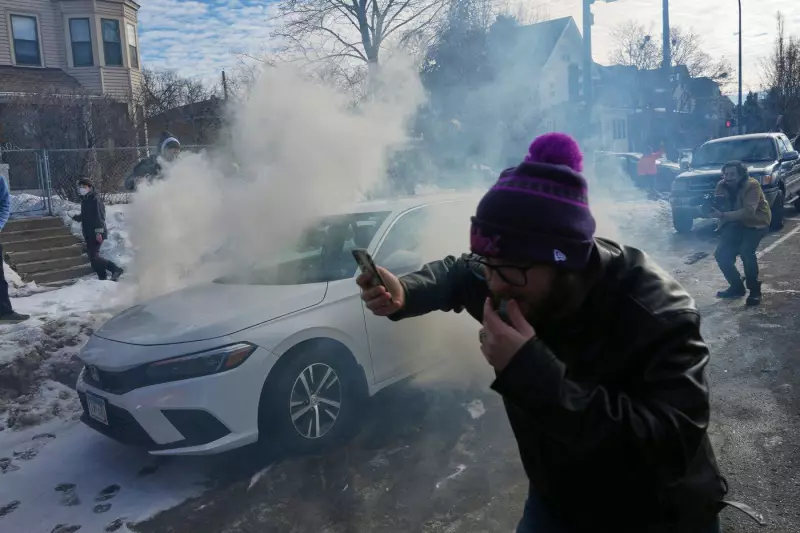
The lawsuit represents a direct challenge to federal immigration policies perceived as overly aggressive by local and state authorities. The filing coincides with reported unrest in Minneapolis, where on the same day, protesters clashed with federal agents. According to Associated Press imagery, agents used tear gas during these demonstrations as individuals attempted to avoid the chemical irritant.
The legal complaint argues that the federal government's crackdown oversteps its authority and creates harmful conditions within Minnesota communities. State and city officials contend that such enforcement actions disrupt local law enforcement priorities, sow fear in immigrant populations, and could potentially violate constitutional protections.

Scene of Protest and Broader Implications
The protests in Minneapolis underscore the immediate and tangible tensions sparked by the federal policy. The scene captured on Monday, January 12, 2026, illustrates the volatile atmosphere surrounding the issue. This legal battle places Minnesota at the forefront of a growing number of states and municipalities resisting federal immigration directives, setting the stage for a contentious constitutional debate.
The outcome of this lawsuit could have profound implications for the balance of power between state and federal governments on immigration matters. It also signals a continued commitment by certain local jurisdictions to adopt what they view as more welcoming policies, despite opposing federal strategies.
What Happens Next?
As the case moves through the judicial system, all eyes will be on the court's interpretation of federal enforcement powers. The lawsuit filed by Minnesota and the Twin Cities is not merely a local dispute but a national bellwether. Its progression will likely influence similar legal challenges and policy debates across the United States regarding the limits and methods of immigration control.
The confrontation, both in the streets of Minneapolis and within the federal court system, highlights the deep and ongoing political divide over immigration policy in America. The legal filing marks a definitive escalation in this conflict, moving from political disagreement to formal judicial contest.