Montreal is issuing a formal plea to the Quebec government, urging immediate action to establish clear pathways to permanent residency for temporary workers who arrived in the province under the now-defunct Programme de l’expérience québécoise (PEQ). The city warns that losing these established residents would have severe economic and social consequences for Canada's second-largest metropolis.
Mayor's Declaration at City Council Meeting
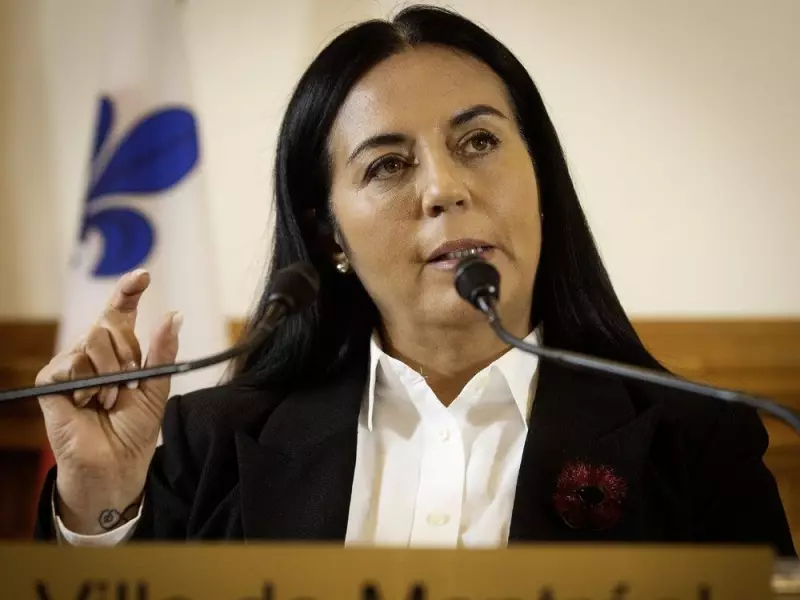
During a Friday morning news conference, Montreal Mayor Soraya Martinez Ferrada announced that a formal declaration will be presented at Monday's city council meeting. "We need to send a clear message to Quebec that Montreal cannot afford to lose these people," Martinez Ferrada stated emphatically. "These individuals have built lives here—they operate businesses, hold jobs, purchase homes, and have children born in our city. They are not recent arrivals but long-established community members."
The PEQ Program's Abolition and Its Aftermath
The PEQ program, launched in 2010 as a fast-track pathway to permanent residency for foreign students and temporary workers, was abruptly terminated in November 2025. This decision has left countless individuals in legal limbo, uncertain about their future in Quebec despite having made significant personal and professional investments in the province.

Martinez Ferrada revealed that she has heard from "many" Montreal residents caught in this precarious situation since the program's cancellation. "At our December city council meeting, numerous affected individuals approached me with their concerns," the mayor noted. "The human impact is substantial and growing."
Montreal's Economic Stakes in Immigration
The declaration emphasizes Montreal's position as Quebec's economic engine and highlights how immigration directly fuels the city's prosperity. "As the economic heart of Quebec, Montreal naturally attracts a significant proportion of participants from immigration programs like PEQ," Martinez Ferrada explained. "Our economic, social, and cultural vitality depends substantially on immigrant contributions."
The municipal document specifically criticizes the replacement program—the Programme de sélection des travailleurs qualifiés (PSTQ)—for allegedly prioritizing applications from outside Montreal. "These established workers are not being placed at the top of the processing list under the new system," the mayor clarified.
Call for Grandfather Clause and Humanitarian Considerations
Montreal's declaration formally requests that Quebec implement a grandfather clause for individuals holding temporary immigration permits when the PEQ was abolished. The document outlines how the program's termination "is already having dramatic repercussions" for affected families, including financial instability, housing uncertainties, and even family separations.
"The municipal council of Montreal urges the Quebec government to ensure predictable, humane, and coherent pathways to permanent residence for individuals already integrated and established on Montreal territory," the declaration states unequivocally.
Unanswered Questions and Estimated Impact
The Quebec Ministry of Immigration, Francization and Integration has not responded to inquiries about whether a grandfather clause or alternative residency pathways are under consideration. Officials have also declined to provide estimates of how many individuals are affected by the PEQ's cancellation.
However, Montreal authorities suspect that thousands of people within the city alone face uncertainty about their immigration status. The declaration, jointly proposed by Mayor Martinez Ferrada and Official Opposition leader Ericka Alneus, represents a rare show of political unity on this pressing municipal concern.
As Montreal prepares to formally deliver its message to Quebec City, the situation highlights the complex interplay between provincial immigration policies and municipal realities. The city's leadership maintains that supporting these temporary workers-turned-community-members isn't just a humanitarian imperative but an economic necessity for Montreal's continued prosperity.