New Passport Requirements for British-Canadian Dual Citizens Take Effect
Dual British-Canadian citizens who have historically relied on their Canadian passports for entry into the United Kingdom must now adapt to significant changes in travel documentation. Effective February 25, the U.K. government has implemented new regulations requiring dual nationals to provide official proof of their British status upon arrival. This shift marks a departure from previous practices where Canadian passports alone sufficed for citizen entry, even for lifelong British nationals.
What Documents Are Now Required?
According to official guidelines, British dual nationals must present one of the following documents to enter the country:
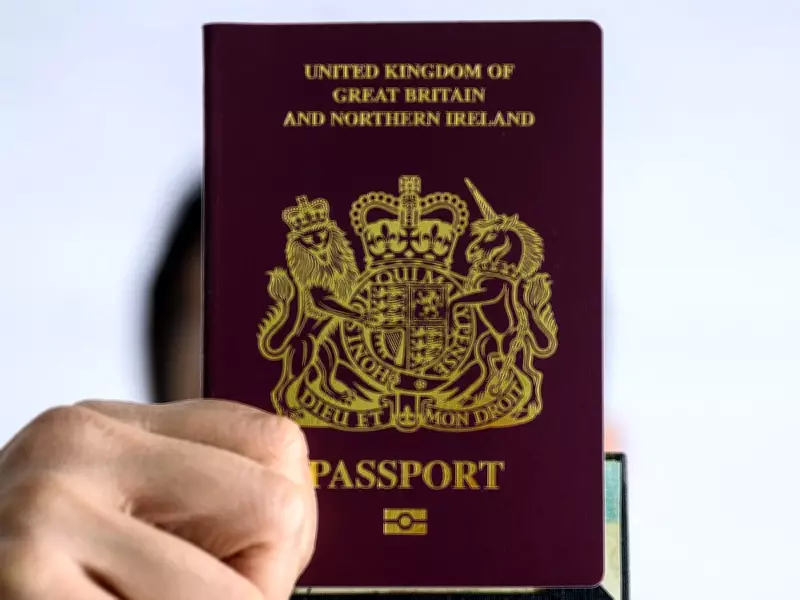
- A valid British passport
- An Irish passport
- A certificate of entitlement linked to a foreign passport
- An emergency travel document
The U.K. government website clarifies that citizenship verification now mandates these specific forms of identification. A Canadian passport alone will no longer be accepted as sufficient evidence for entry, fundamentally altering travel protocols for affected individuals.

Background and Rationale for the Changes
These new requirements are part of the broader implementation of the U.K.'s Electronic Travel Authorization (ETA) system, designed to enhance border security through advanced pre-screening measures. The ETA system conducts biometric, biographic, and criminality checks on visa-exempt visitors before they board flights, enabling authorities to remotely identify and block high-risk individuals.
Applying for an ETA typically costs approximately $30 and permits visits for up to two years. However, British and Irish citizens are explicitly prohibited from applying for ETAs and will face denial if they attempt to do so, reinforcing the need for proper citizenship documentation.
Impact on British-Canadian Dual Citizens
For many dual citizens, routine travel to visit family or friends in the U.K. will now effectively require carrying two passports: a Canadian passport to comply with re-entry requirements to Canada and a British passport or equivalent documentation for U.K. entry. This dual-documentation approach introduces new logistical considerations for travelers.
Older emigrants or individuals who left the U.K. during childhood may encounter challenges if they have not maintained current paperwork. Additionally, occasional travelers could be unexpectedly affected during the transition period, potentially facing disruptions if unaware of the new rules.
Options for Compliance and Associated Costs
Dual citizens have several pathways to meet the new requirements:
- British Passport Application: The most straightforward solution involves applying for a British passport online, with costs around $185 plus shipping fees. Processing typically takes several weeks, though first-time applicants may experience longer delays due to additional documentation requirements.
- Certificate of Entitlement: For those who qualify but prefer not to hold a British passport or need to travel urgently, a certificate of entitlement confirms the right to live and work in the U.K. while attached to a foreign passport. Applications are usually processed within three weeks, allowing travelers to retain their existing passports during this period. However, at approximately $1,100, this option is significantly more expensive than a passport and requires reapplication with each new foreign passport issuance, making it less practical for frequent travelers.
- Emergency Travel Documents: In specific circumstances, emergency travel documents may serve as temporary alternatives, though they are generally intended for urgent situations.
Attempting to travel solely as a Canadian visitor is not recommended, as British citizens are expected to demonstrate their status and may be refused boarding if unable to do so. While airlines might occasionally make exceptions for expired passports, they are not obligated to provide such accommodations.

What Remains Unchanged
Importantly, these new rules do not alter citizenship rights themselves. Dual nationals continue to retain their full rights to live and work in the U.K., with the changes focusing solely on entry documentation requirements rather than legal status.
As global travel regulations evolve, British-Canadian dual citizens are advised to review their documentation well in advance of any planned trips to ensure compliance and avoid potential travel disruptions.