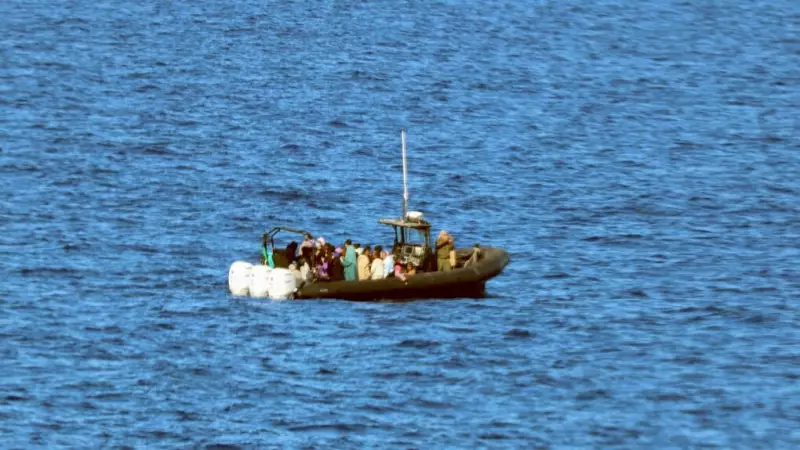
Twin Infants Perish During Dangerous Mediterranean Migrant Voyage to Italy
A devastating incident has unfolded in the central Mediterranean Sea, where one-year-old twins were lost during a migrant crossing attempt to reach Italy. This tragic event underscores the extreme dangers faced by individuals and families embarking on these perilous journeys in search of safety and opportunity.
The Ongoing Humanitarian Crisis in the Mediterranean
The central Mediterranean route remains one of the deadliest migration paths in the world, with thousands of lives lost annually. Migrants, including many vulnerable children, often travel in overcrowded and unseaworthy vessels operated by smugglers, facing treacherous conditions with limited rescue resources available.
This latest tragedy involving infant twins highlights the desperate circumstances that compel families to undertake such hazardous voyages. Many migrants are fleeing conflict, persecution, or extreme poverty in their home countries, viewing the dangerous sea crossing as their only viable option for reaching European shores.

Rescue Operations and International Response
Humanitarian organizations like Doctors Without Borders (MSF) regularly conduct rescue operations in these international waters, but their resources are stretched thin against the scale of the migration flow. The organization has documented numerous similar tragedies throughout 2024 and 2025, with rescue crews often arriving too late to prevent loss of life.
The international community continues to grapple with how to address this complex humanitarian challenge. While some European nations have implemented stricter border controls and return policies, critics argue these measures only push migrants toward more dangerous routes and methods of crossing.
The Human Cost of Migration Policies
Each statistic in migration data represents individual human stories of hope, desperation, and tragedy. The loss of these twin infants serves as a stark reminder of the human cost behind migration numbers and policy debates. Children are particularly vulnerable during these journeys, facing not only the immediate dangers of drowning but also potential dehydration, hypothermia, and other health risks.
As temperatures drop in the Mediterranean region during winter months, the risks increase significantly for those attempting the crossing. Cold water immersion can lead to rapid hypothermia, while stormy weather conditions make navigation even more hazardous for the fragile vessels typically used by migrants.
Looking Forward: Addressing Root Causes
Human rights advocates emphasize that addressing the root causes of migration—including conflict resolution, poverty alleviation, and climate change adaptation—is essential to reducing the number of people compelled to undertake these dangerous journeys. Until comprehensive solutions are implemented, tragedies like the loss of these twin infants are likely to continue occurring in the Mediterranean.
The international community faces ongoing challenges in balancing border security concerns with humanitarian obligations. As debates continue about migration policies and rescue operations, the central Mediterranean remains a deadly passage for those seeking refuge and opportunity in Europe.