Ottawa Mass-Murder Victims' Family Appeals to Immigration Minister for Reunification
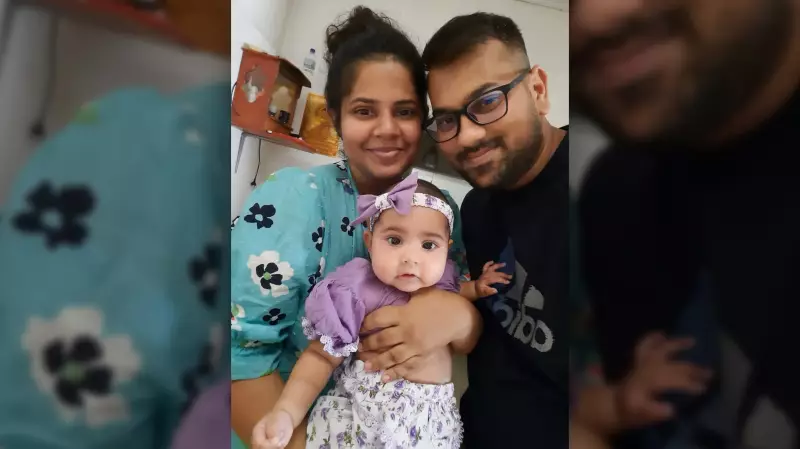
The family of victims from a devastating mass-murder in Ottawa has made a heartfelt plea to Canada's immigration minister, urging immediate action to help reunite them. This emotional appeal comes as they continue to grapple with the profound loss and seek closure through family unity.
An Urgent Call for Compassionate Intervention
In a deeply moving statement, family members have highlighted the bureaucratic hurdles and emotional toll they face while navigating Canada's immigration system. They emphasize that reunification is not just a procedural matter but a crucial step in their healing process, allowing them to support each other through shared grief.
The family's request underscores the human impact of immigration policies, particularly in cases involving tragedy. They argue that compassionate exceptions should be considered to prevent further suffering and to honor the memory of their lost loved ones.

The Broader Context of Immigration Challenges
This case brings attention to the complex interplay between immigration law and humanitarian needs in Canada. While the country has systems in place for family reunification, situations involving extraordinary circumstances like mass violence often require special consideration and flexibility.
Advocates note that such appeals can set important precedents for how Canada handles similar cases in the future, balancing legal requirements with empathy for those affected by unimaginable loss.
Potential Pathways Forward
The immigration minister's office has acknowledged receiving the family's appeal and is reportedly reviewing the case with due diligence. Possible solutions being considered include:
- Expedited processing of existing immigration applications
- Temporary humanitarian permits for family members
- Collaboration with support organizations to provide additional resources
- Regular updates to the family about the progress of their case
As this situation develops, it serves as a poignant reminder of the human stories behind immigration statistics and the importance of responsive, compassionate governance in times of crisis.