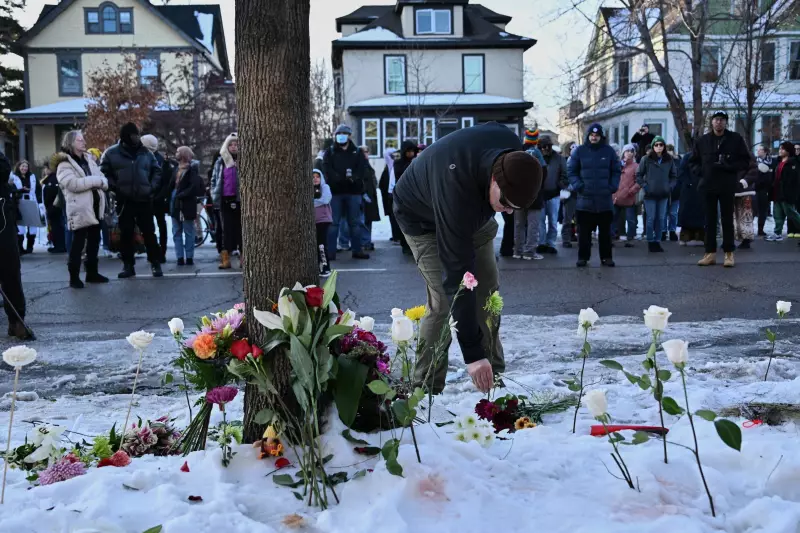
Hundreds of demonstrators took to the streets of Minneapolis on Wednesday, January 7, 2026, following the fatal shooting of a 37-year-old woman by an agent from U.S. Immigration and Customs Enforcement (ICE). The incident, which occurred during an ICE operation, has ignited public outrage and drawn sharp criticism from local leaders.
Details of the Fatal Encounter
The shooting took place during a traffic stop initiated as part of an ICE operation. The woman, whose identity has not yet been publicly released, was shot and killed by an ICE agent. Authorities have provided few immediate details about the circumstances that led to the use of deadly force. A retired FBI agent, analyzing the incident, described it as a "deadly ICE agent-involved traffic stop," highlighting the volatile nature of the encounter.
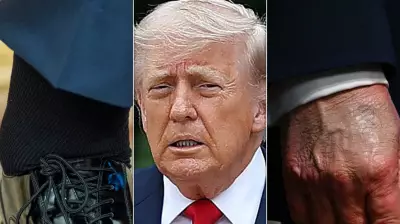
Local officials expressed frustration over the lack of clarity. A security expert noted, "We don't have a clear picture of exactly what transpired," underscoring the early and conflicting reports surrounding the event. The operation is believed to be part of a broader immigration enforcement push under the administration of former President Donald Trump, who recently invited the Colombian president to the White House.

Official Reactions and Rising Tensions
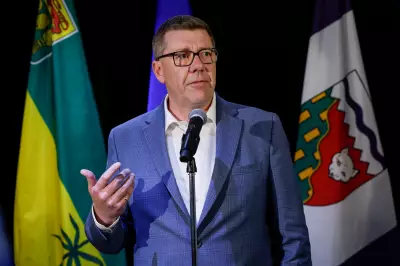
The response from Minneapolis Mayor Jacob Frey was swift and severe. He publicly blasted ICE, issuing a stark warning that included an expletive-laden demand for the agency to leave the city. Minnesota Governor Tim Walz also addressed the public, stating, "I feel your anger. I'm angry," and pledged a thorough investigation into the shooting.
The protest, which drew hundreds, reflects deepening community tensions over federal immigration enforcement tactics in urban areas. The incident raises immediate questions about oversight and accountability for ICE operations that result in fatalities.
Path Forward and National Context
A critical question now is how the shooting will be reviewed. The process is expected to involve multiple agencies, but specifics remain unclear. This event occurs against a backdrop of significant shifts in U.S. policy, including reports that the U.S. will exit dozens of international organizations, further retreating from global cooperation.
Meanwhile, the Trump administration's immigration policies, coupled with an aging population, are cited by budget officials as factors slowing U.S. growth projections. The Minneapolis shooting exemplifies the on-the-ground human cost and social friction that can accompany aggressive enforcement measures.
As the community mourns and demands answers, the focus turns to the promised investigations and the potential for policy repercussions at both local and national levels. The call for transparency and justice from Minneapolis residents and their leaders is expected to grow louder in the coming days.