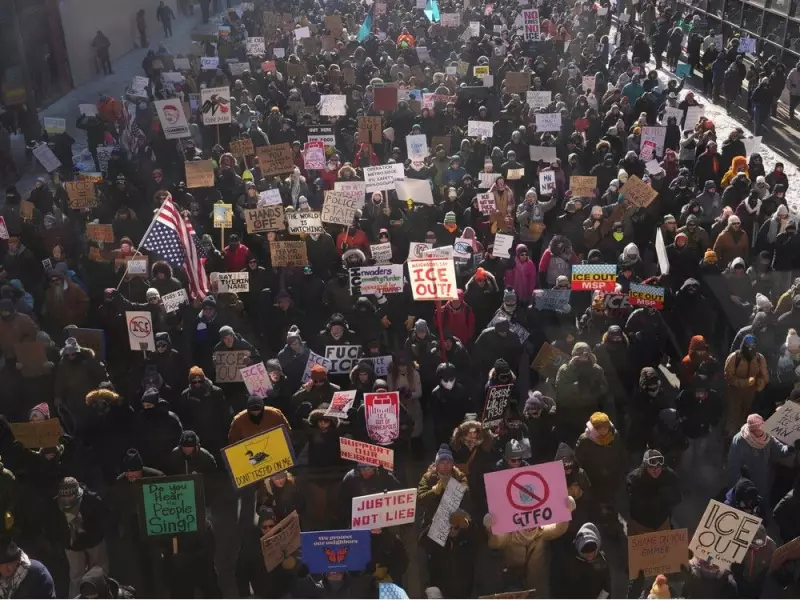
Trump Signals Potential Shift in Minnesota Immigration Enforcement Strategy
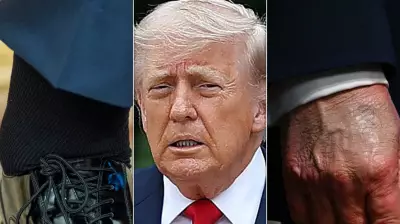
President Donald Trump has indicated a willingness to reconsider his administration's aggressive deportation operations in Minnesota following nationwide outrage over the killing of two American citizens during recent immigration raids. This potential policy adjustment comes as the president faces mounting political pressure and eroding public confidence in immigration authorities.
De-escalation Efforts Following Fatal Incidents
The White House announced that Trump is dispatching border czar Tom Homan to Minneapolis in an effort to reduce tensions in the region. Homan, viewed as relatively measured compared to Homeland Security Secretary Kristi Noem and Border Patrol Commander Greg Bovino, will report directly to the president on the situation.
Trump also engaged in a conversation with Minnesota Governor Tim Walz, a Democrat whom the president has previously criticized as "grossly incompetent." During their discussion, Trump reportedly agreed to consider independent investigations into the recent shootings and potentially reduce the number of federal agents operating within the state.

White House Conditions for Withdrawal
The administration suggested it might withdraw U.S. Customs and Border Protection personnel from Minnesota if state and local law enforcement agencies implement additional "cooperative measures" to assist in apprehending undocumented migrants. This conditional offer represents a notable departure from the administration's previously uncompromising stance on immigration enforcement.
Political Repercussions and Public Backlash
Analysts suggest Trump's apparent flexibility may stem from recognition that his "maximum pressure" deportation campaign has significantly damaged public trust in immigration officials and weakened his own political standing. Recent public opinion polls indicate the president's support has reached near-historic lows, creating potential risks for Republicans approaching November's midterm elections.
The administration faces particular criticism over its initial characterization of Alex Pretti, an ICU nurse killed during Saturday's operations. Despite video evidence contradicting official claims that Pretti was a violent agitator, administration officials initially portrayed him as such, drawing bipartisan condemnation.
Mixed Messages from Administration Officials
While Trump signaled potential changes, White House Press Secretary Karoline Leavitt maintained that both Noem and Bovino retain the president's "utmost confidence and trust." Leavitt continued to assign blame for the crisis to Minnesota officials, accusing them of encouraging "left-wing agitators to stalk, record, confront and obstruct federal officers."
Senate Majority Leader John Thune described Trump's outreach as a "positive development" that could help "turn down the temperature and restore order in Minnesota." However, political observers note that any significant policy pivot will prove challenging for an administration that has consistently defended its aggressive immigration agenda.
Broader Political Context
The Minnesota situation unfolds against a backdrop of broader political tensions, including a potential partial government shutdown at week's end. Senate Democrats have indicated they cannot support a funding bill without new restrictions on immigration enforcement, creating additional pressure on the administration to reconsider its approach.
Conservative commentators and interest groups have begun publicly questioning some administration statements and claims, particularly following the controversial raids. The administration also faces scrutiny over its response to the earlier killing of Renee Good, whose death during an immigration enforcement operation was similarly captured on video.
As Tom Homan prepares to assess the Minnesota situation, the nation watches to see whether Trump's signals of flexibility will translate into substantive policy changes or represent merely tactical adjustments in an ongoing political battle over immigration enforcement.