The United States has significantly expanded a controversial immigration policy, adding more countries to a list whose citizens may be required to pay a substantial financial bond to obtain a visa. The move, confirmed by the State Department in early January 2026, means applicants from these nations could face bonds of up to US$15,000 as part of the visa application process.
Policy Details and Implementation
The expansion of the visa bond program was announced on January 5, 2026. While the specific list of newly added countries was not detailed in the initial announcement, the policy empowers U.S. consular officers to demand the bond from certain visa applicants deemed to pose a higher risk of overstaying their permitted time in the country. The bond, which can reach the five-figure sum, is refundable only if the visitor complies with all the terms of their visa and departs the United States on time.
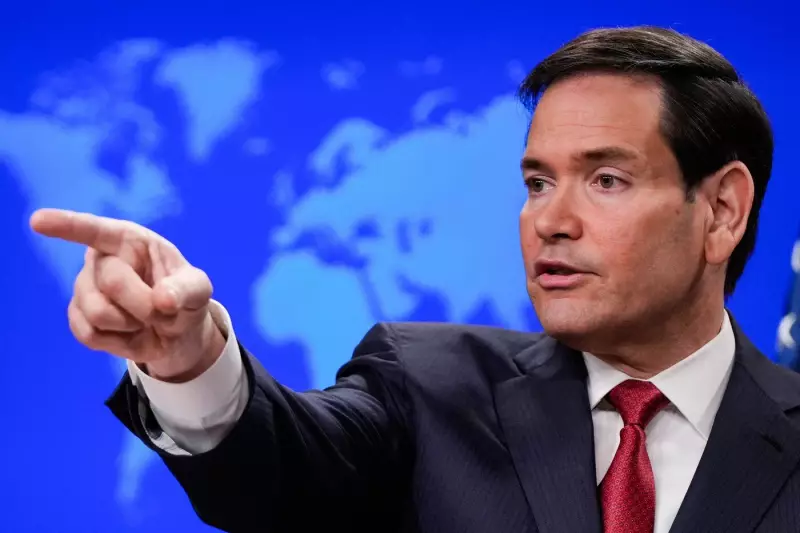
Secretary of State Marco Rubio, who has been a prominent figure in the administration's foreign policy, is overseeing the implementation of this measure. The policy is framed as a tool to ensure compliance with immigration laws, though critics argue it creates a significant financial barrier for travelers from affected regions.

Context and Potential Impact
This policy shift occurs within a broader context of evolving U.S. immigration and foreign policy. The announcement timeline coincides with other major international events, such as the arrival of Venezuelan leader Nicolás Maduro to a U.S. courthouse to face drug trafficking charges. While not directly linked, these events highlight a period of assertive U.S. policy actions on the global stage.
For Canadian readers, particularly those with business, academic, or family ties to the newly listed countries, the policy change could have ripple effects. It may complicate travel planning and increase the cost and uncertainty associated with obtaining U.S. visas for colleagues, employees, or relatives from those nations. The financial requirement could disproportionately affect students, temporary workers, and family visitors.
Looking Ahead
The expansion of the visa bond list marks a continued trend toward more conditional and financially-backed entry requirements for visitors to the United States. It is likely to prompt diplomatic discussions with the governments of the affected countries and may lead to calls for reciprocal measures. Prospective travelers are advised to consult the latest information from the U.S. Department of State and plan for potential additional costs and processing steps when applying for a visa.
As global mobility and international relations continue to adapt in a complex geopolitical landscape, policies like the visa bond program underscore the increasing use of economic tools to manage migration and border security objectives.