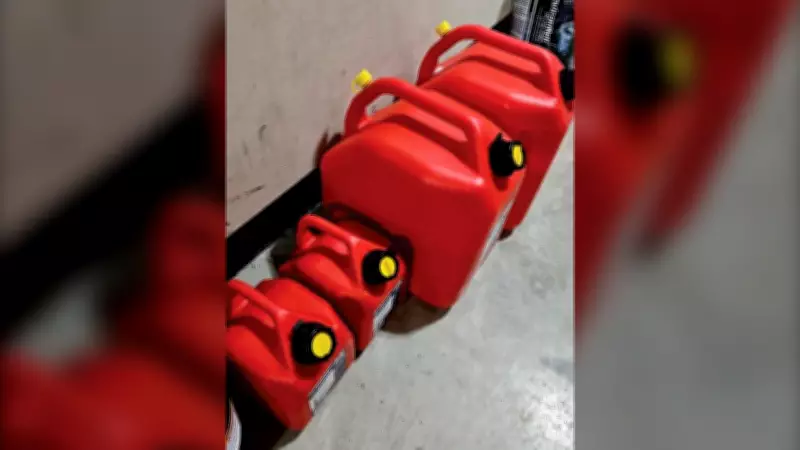
Arrests Made After Liquor Seized in Alcohol-Free First Nation Community
First Nation Safety Officers, in collaboration with the Royal Canadian Mounted Police (RCMP), have made multiple arrests following the seizure of a significant quantity of contraband alcohol within the Bunibonibee Cree Nation. This incident underscores the ongoing enforcement of strict alcohol prohibitions in the community, which has been designated as alcohol-free to mitigate public health and safety risks.
Enforcement Action in Bunibonibee Cree Nation
The operation, which took place on April 7, 2026, resulted in the confiscation of several jerry cans filled with illicit liquor. Images released by the RCMP depict the seized containers, highlighting the tangible results of the joint enforcement effort. Authorities have not disclosed the exact number of arrests or the identities of those detained, but confirmed that charges are pending as the investigation continues.
Community leaders in Bunibonibee Cree Nation have long advocated for alcohol prohibitions as a measure to combat addiction, reduce crime, and improve overall well-being. The seizure is part of a broader strategy to uphold these regulations, which are enforced through local bylaws and supported by provincial and federal partnerships.

Context of Alcohol Prohibitions in First Nations
Many First Nations communities across Canada, including Bunibonibee Cree Nation, have implemented alcohol bans to address historical and systemic issues linked to substance abuse. These prohibitions are often enacted through community referendums and are intended to foster safer environments, particularly for vulnerable populations such as youth and elders.
The RCMP emphasized that such enforcement actions are crucial for maintaining the integrity of these community-led initiatives. They also noted that the illegal importation and distribution of alcohol not only violate local laws but can exacerbate social problems, including violence and health crises.
Broader Implications and Community Response
This incident occurs amid wider discussions about substance control and Indigenous self-governance in Canada. While some critics argue that prohibitions may drive illicit markets, supporters point to evidence of reduced alcohol-related harms in communities with such measures. In Bunibonibee Cree Nation, residents have generally expressed support for the bans, citing improvements in community cohesion and safety.
Looking ahead, authorities plan to increase patrols and community outreach to prevent future violations. Educational programs about the dangers of alcohol abuse are also being reinforced, aiming to address root causes rather than solely relying on punitive measures.
The arrests and seizure serve as a reminder of the challenges faced by First Nations in enforcing their own laws, while also highlighting the collaborative efforts between local safety officers and national police forces to protect community standards.