B.C. First Nation Acknowledges Full Consensus May Be Unattainable on Potential Burial Site
A British Columbia First Nation has publicly expressed that reaching full consensus on a potential burial site might never be achievable, underscoring the deep-seated complexities and sensitivities surrounding such historical and cultural matters. This statement comes amid ongoing efforts to address the legacy of residential schools and the search for unmarked graves.
Historical Context and Memorial Site
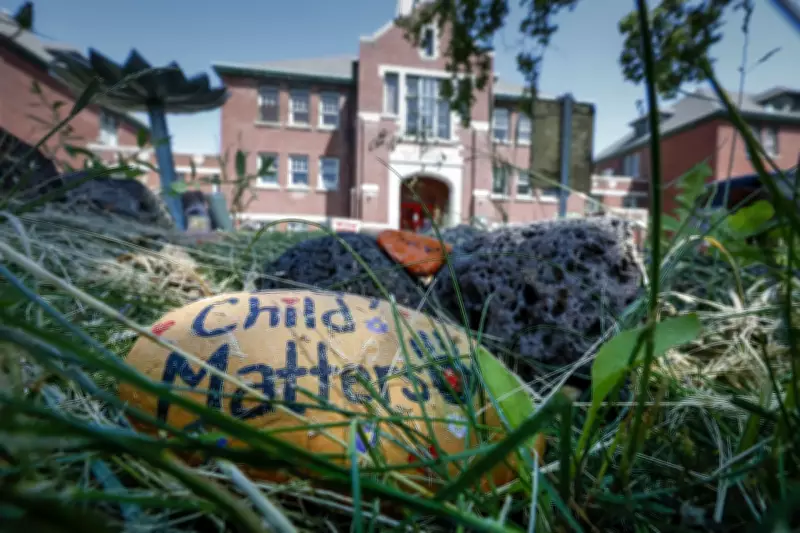
The discussion is set against the backdrop of the former Kamloops Indian Residential School in Kamloops, B.C., where a memorial site features hand-painted stones placed in the grass. These stones serve as poignant reminders of the children who attended the institution and the unresolved questions about burial sites. The memorial, established in recent years, has become a focal point for reflection and remembrance, drawing attention to the need for respectful investigation and dialogue.
Challenges in Achieving Consensus
According to the First Nation, the process of determining the nature and location of potential burial sites involves diverse perspectives within the community, including elders, survivors, and descendants. Factors such as oral histories, archaeological evidence, and spiritual beliefs contribute to differing opinions, making it difficult to arrive at a unanimous agreement. The nation emphasizes that while efforts are ongoing to gather information and honor those affected, the goal of full consensus may remain elusive due to the emotional and historical weight of the issue.

Broader Implications and Community Response
This acknowledgment highlights the broader challenges faced by Indigenous communities across Canada as they seek truth and reconciliation regarding residential schools. It reflects a realistic approach to community-led processes, where open dialogue and respect for multiple viewpoints are prioritized over forced agreement. The statement also calls for continued support from governmental and non-governmental entities in facilitating these discussions without imposing external timelines or expectations.
Moving Forward with Sensitivity
In light of this, the First Nation advocates for a patient and culturally sensitive approach, ensuring that any investigations or commemorations are conducted with the utmost care and in alignment with community wishes. This includes potential future steps such as ground-penetrating radar surveys or ceremonial practices, which must be navigated with community input and without assuming universal consensus.
The situation underscores the importance of acknowledging the limitations of consensus in deeply traumatic contexts, while still striving for meaningful progress in healing and recognition. As Canada continues to grapple with its colonial past, this perspective from a B.C. First Nation offers a crucial insight into the nuanced realities of reconciliation efforts.