B.C. Tables Historic Treaty Legislation After 30-Year Negotiation with K'omoks First Nation
In a landmark move for Indigenous relations, the British Columbia government has tabled treaty implementation legislation following a protracted 30-year negotiation process with the K'omoks First Nation. This legislative action represents a critical milestone in the province's ongoing efforts to advance reconciliation and address historical injustices faced by Indigenous communities.
A Ceremonial Moment in Victoria
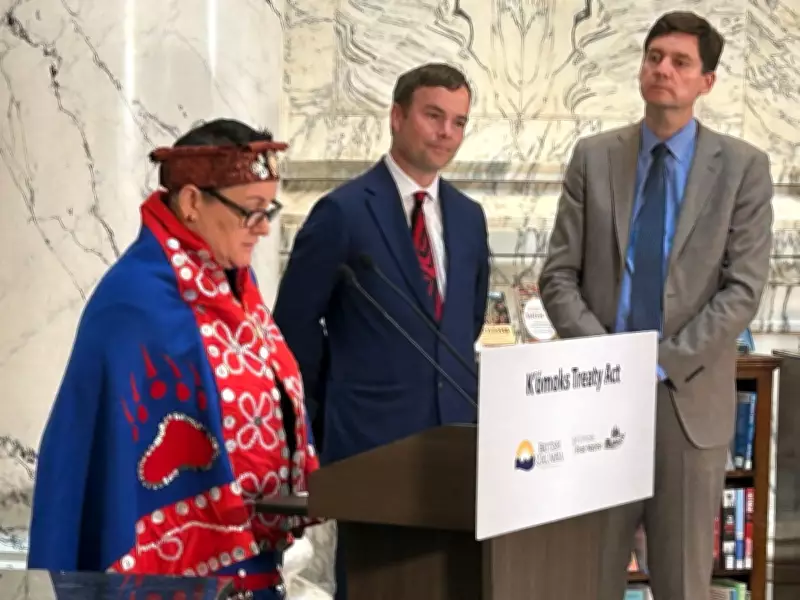
The tabling of the treaty legislation was marked by a significant event in Victoria on Tuesday, April 14, 2026. K'omoks First Nation Chief Nicole Rempel delivered a speech commemorating the occasion, with B.C. Premier David Eby and Minister of Indigenous Relations and Reconciliation Spencer Chandra Herbert in attendance. The gathering underscored the collaborative spirit and political commitment driving this historic agreement forward.
Decades of Deliberation Culminate in Legislative Action
The journey to this point has been extensive, spanning three decades of careful negotiations between the K'omoks First Nation and provincial authorities. Key aspects of the treaty implementation legislation include:

- Land and Resource Management: Provisions for shared governance and economic development opportunities within traditional territories.
- Cultural Preservation: Measures to protect and promote Indigenous languages, heritage sites, and cultural practices.
- Financial Arrangements: Funding mechanisms to support community infrastructure, education, and health services.
- Self-Governance Rights: Enhanced autonomy for the K'omoks First Nation in local decision-making processes.
This legislation is designed to formalize agreements reached during the lengthy negotiation period, ensuring that the rights and interests of the K'omoks people are legally recognized and upheld.
Broader Implications for Indigenous Reconciliation
The introduction of this treaty legislation is not merely a bureaucratic step; it holds profound symbolic and practical significance for Indigenous reconciliation across British Columbia. By addressing long-standing grievances and fostering a framework for partnership, the government aims to set a precedent for future treaties with other First Nations. Premier Eby emphasized that this move aligns with broader provincial goals of building equitable relationships and promoting social justice.
Chief Nicole Rempel highlighted the emotional and cultural weight of this achievement, noting that it validates the perseverance of her community through years of dialogue and advocacy. She expressed hope that this legislation will pave the way for sustainable development and improved quality of life for K'omoks members.
Looking Ahead: Implementation and Challenges
With the legislation now tabled, the focus shifts to the implementation phase, which will involve ongoing collaboration between the K'omoks First Nation and provincial agencies. Potential challenges include ensuring adequate resource allocation, navigating complex regulatory environments, and maintaining transparent communication. However, stakeholders remain optimistic that this foundation will lead to tangible benefits and strengthened community resilience.
This development also resonates within the national context, as Canada continues to grapple with its colonial legacy and seeks to fulfill commitments to Indigenous peoples under frameworks like the United Nations Declaration on the Rights of Indigenous Peoples (UNDRIP).