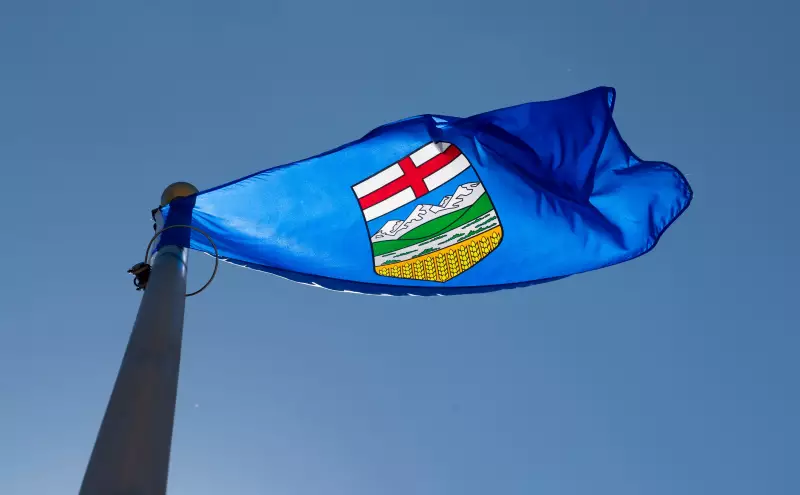
The Blood Tribe (Kainai Nation) has issued a firm declaration that it will actively oppose any ongoing movement for Alberta to separate from Canada. The First Nation, a signatory to Treaty 7, asserts that its free, prior, and informed consent is a non-negotiable requirement for any such monumental constitutional change affecting its territory and rights.
A Matter of Treaty Rights and Sovereignty
The central argument from the Blood Tribe leadership is grounded in the nation's inherent sovereignty and the rights enshrined in Treaty 7, signed in 1877. The Tribe contends that the land within what is now Alberta was never ceded unconditionally. Therefore, any political movement aiming to alter the fundamental governance and borders of the region must involve the explicit consent of the Indigenous nations whose territories are implicated.
This stance presents a significant legal and political hurdle for Alberta separatist movements. It moves the conversation beyond provincial-federal disputes and into the realm of Indigenous treaty rights and international principles of self-determination. The Blood Tribe's position signals that separation is not merely a debate between Edmonton and Ottawa, but a multi-party negotiation that must include First Nations as sovereign partners.

The Context of Growing Separatist Sentiment
The Tribe's statement, reported on January 12, 2026, comes amid fluctuating but persistent waves of separatist sentiment in Alberta, often fueled by debates over federal energy policy, fiscal transfers, and provincial autonomy. While these movements have gained varying degrees of public and political attention over the years, the Blood Tribe's intervention adds a critical and often underrepresented dimension to the discourse.
By stating "our consent matters," the Blood Tribe is directly challenging the assumption that a hypothetical Alberta independence could be achieved through a simple provincial referendum or act of legislature. They are reminding all parties that the constitutional landscape of Canada includes treaties with Indigenous peoples that cannot be unilaterally dissolved or ignored.
Implications and the Path Forward
The declaration from the Blood Tribe is likely to have wide-ranging consequences. It serves as a powerful reminder to other Treaty 7 nations, as well as Indigenous groups across Canada, of their potential role in shaping the country's future constitutional debates. Politically, it forces separatist advocates to address how they would reconcile their goals with legally recognized Indigenous rights.
Furthermore, this stance underscores a broader national conversation about reconciliation and partnership. The Blood Tribe's firm position makes it clear that true partnership requires respect for consent on matters of profound importance. The path toward any significant political change in Alberta must now be viewed as a three-way dialogue involving the federal government, the provincial government, and the Indigenous nations whose traditional territories form the province.
As this story develops, the resolve of the Blood Tribe will be a key factor in the viability and shape of any separation movement, ensuring that Indigenous voices and treaty rights remain at the forefront of the discussion.