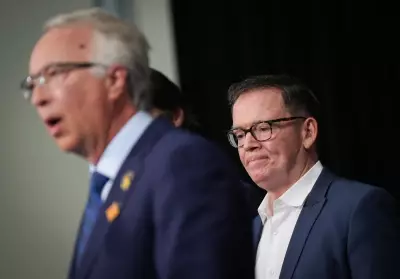
Former Bank of Canada governor Mark Carney engaged in a pivotal meeting with leaders of the Coastal First Nations in Vancouver on Tuesday. This high-level discussion came directly on the heels of a newly signed memorandum of understanding between the federal government and the province of Alberta concerning pipeline development.
A Meeting in the Wake of a Major Agreement
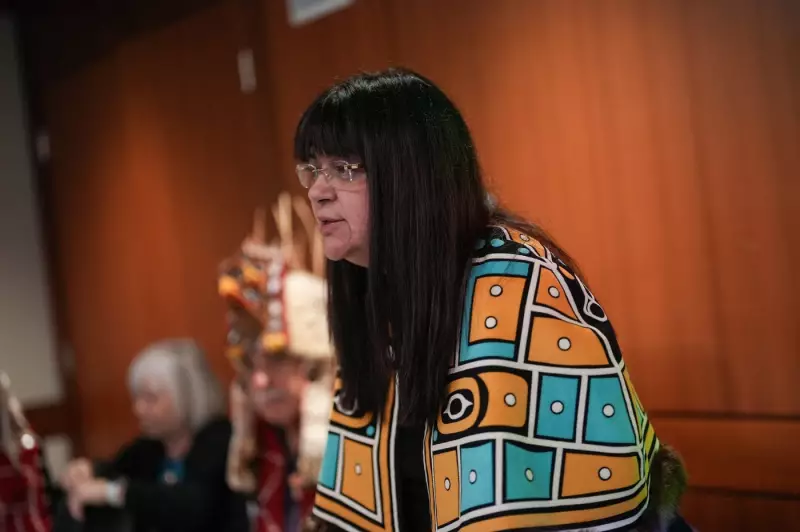
The gathering, which included prominent figures such as Heiltsuk Nation Chief Marilyn Slett, was convened to address the implications of the recent intergovernmental pact. The memorandum of understanding, inked just prior to this meeting, outlines a framework for collaboration on pipeline projects that have long been a point of contention, particularly for Indigenous communities whose traditional territories and coastal waters are directly impacted.
While specific details of the closed-door conversation were not fully disclosed, the meeting's timing underscores the federal government's stated commitment to consultation. The dialogue is seen as a critical step in navigating the complex intersection of economic development, energy policy, and Indigenous rights.

Balancing Economic Ambitions with Indigenous Rights
The pipeline MOU with Alberta represents a significant move to advance Canada's energy sector and economic interests. However, it also raises substantial concerns for the Coastal First Nations, a collective of Indigenous nations along British Columbia's coast. These communities have been vocal advocates for environmental protection, marine safety, and the upholding of their inherent title and rights.
Chief Marilyn Slett, a respected leader who has been at the forefront of issues like oil spill response and marine governance, was a key participant in the Vancouver meeting. Her presence highlighted the direct stake these nations have in any decisions affecting the Pacific coastline.
The meeting on January 13, 2026, served as a direct channel for these leaders to express their perspectives, concerns, and conditions directly to a senior federal figure involved in shaping economic and environmental policy.
Path Forward and Ongoing Dialogue
This encounter is unlikely to be a one-off event. It signals the beginning of what is expected to be a sustained and necessary dialogue. The challenge moving forward will be to reconcile national economic strategies with the legally protected rights and title of Indigenous peoples, as well as with urgent environmental priorities.
The outcome of these consultations could significantly influence the trajectory of the pipeline initiatives outlined in the Alberta MOU. All parties recognize that meaningful partnership and free, prior, and informed consent are not just procedural hurdles, but foundational principles for any major project proceeding in these territories.
As the discussions continue, the focus will remain on whether the dialogue translates into tangible changes in project planning, enhanced environmental safeguards, and genuine economic partnerships that benefit the First Nations whose lands and waters are most at risk.