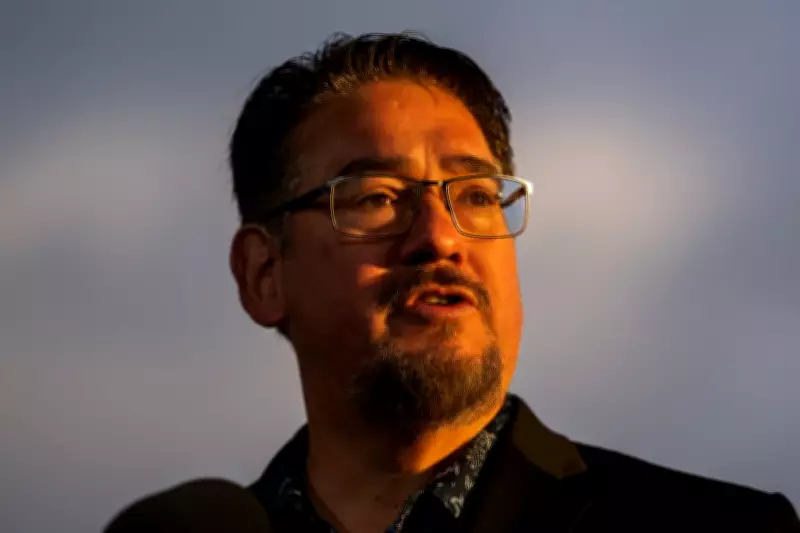
First Nation Leader Robert Phillips Warns Proposed DRIPA Changes Would Gut Legislation
Robert Phillips, a respected First Nation leader, has issued a stark warning that proposed amendments to the Declaration on the Rights of Indigenous Peoples Act (DRIPA) would effectively gut the legislation, stripping it of its core purpose and protections. Phillips, who has been a vocal advocate for Indigenous-led conservation and rights, made these comments in response to recent government proposals that he believes would dilute the act's effectiveness.
Background and Context of DRIPA
The Declaration on the Rights of Indigenous Peoples Act, enacted in British Columbia, is landmark legislation designed to align provincial laws with the United Nations Declaration on the Rights of Indigenous Peoples (UNDRIP). It aims to recognize and uphold Indigenous rights, including self-determination, land stewardship, and cultural preservation. The act has been hailed as a critical step toward reconciliation and justice for Indigenous communities across the province.
However, Phillips argues that the proposed changes would undermine these goals by weakening key provisions. He emphasizes that DRIPA was intended to be a robust framework for collaboration and respect, not a watered-down version that fails to address historical injustices.

Phillips' Concerns and Advocacy
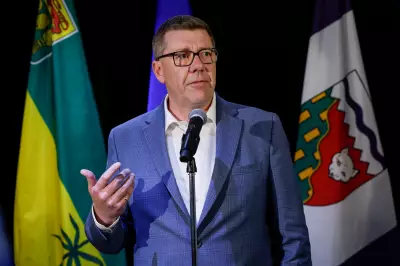
Robert Phillips, who spoke at a news conference during the 2023 B.C. Cabinet and First Nations Leaders' Gathering in Vancouver, has a long history of championing Indigenous causes. At that event, he announced funding for Indigenous-led conservation initiatives in British Columbia, highlighting the importance of empowering First Nations in environmental stewardship.
In his recent critique, Phillips stated, "These proposed changes would gut the legislation, turning it into a hollow shell that does little to advance Indigenous rights." He fears that amendments could reduce accountability, limit consultation requirements, and erode the act's ability to address systemic issues faced by Indigenous peoples.
Implications for Indigenous Rights and Conservation
The potential gutting of DRIPA has significant implications for Indigenous rights and conservation efforts in British Columbia. Key areas of concern include:
- Self-Determination: Weakening DRIPA could hinder First Nations' ability to govern their lands and resources autonomously.
- Environmental Protection: Indigenous-led conservation projects, like those Phillips has supported, might face increased barriers without strong legislative backing.
- Reconciliation Progress: Diluting the act could stall or reverse progress made toward reconciliation, undermining trust between governments and Indigenous communities.
Phillips calls for a more inclusive and transparent process in reviewing DRIPA, urging policymakers to engage directly with First Nations leaders to ensure any changes uphold the act's original intent. He stresses that true reconciliation requires meaningful action, not symbolic gestures.
Looking Ahead
As debates over DRIPA amendments continue, the voices of Indigenous leaders like Robert Phillips will be crucial in shaping the outcome. The proposed changes are part of broader discussions on Indigenous rights and environmental policy in Canada, with potential ripple effects across the country.
Phillips remains hopeful that public awareness and advocacy can pressure the government to reconsider its approach. "We must stand firm in protecting DRIPA as a tool for justice and equity," he asserts, emphasizing the need for solidarity in defending Indigenous rights.
In conclusion, the proposed DRIPA changes represent a critical juncture for Indigenous relations in British Columbia. Robert Phillips' warning serves as a reminder of the ongoing struggles for recognition and respect, urging all stakeholders to prioritize meaningful engagement and uphold the principles of UNDRIP in legislative reforms.