First Nations Leaders Call for Prime Minister's Apology Following Controversial 'Outlast' Comment
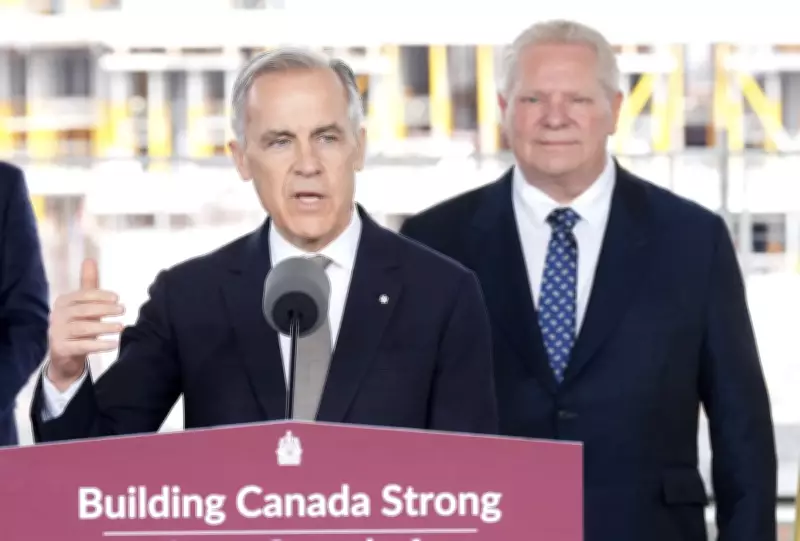
First Nations chiefs across Canada are demanding a formal apology from Prime Minister Mark Carney after he made remarks suggesting he could "outlast" a demonstrator during a public event. The incident occurred on Monday, March 30, 2026, while Carney was announcing new housing and affordability measures at a condo development in Toronto. This statement has sparked significant backlash from Indigenous communities, who view it as dismissive and disrespectful amid ongoing discussions about reconciliation and treaty rights.
Escalating Tensions in Indigenous Relations
The prime minister's comment came during an interaction with a protester, though specific details about the demonstrator's identity or cause remain unclear. First Nations leaders argue that such language undermines the government's commitment to addressing historical grievances and fostering meaningful dialogue. They emphasize that this incident reflects a broader pattern of insensitivity toward Indigenous issues, which has been a persistent concern in Canadian politics.
Chiefs from various First Nations have united in their call for accountability, stating that Carney's words are unacceptable and require immediate rectification. They highlight that this controversy adds to existing frustrations, such as those seen in recent leaked transcripts from meetings about the Declaration on the Rights of Indigenous Peoples Act (DRIPA), where leaders expressed feelings of betrayal.

Political and Social Repercussions
This development occurs against a backdrop of heightened political activity, including debates over environmental policies, economic measures, and social programs. The demand for an apology is not just about a single remark but is tied to larger issues of respect and partnership between the federal government and Indigenous peoples. Analysts note that how Carney responds could impact his administration's credibility on Indigenous files, which are critical to national unity and progress.
Community reactions have been swift and vocal, with many expressing disappointment over what they perceive as a lack of empathy from the highest office. This incident has reignited conversations about the need for more inclusive and respectful political discourse, particularly when engaging with marginalized groups.
Broader Context of Indigenous Advocacy
First Nations have long advocated for greater recognition of their rights and improved living conditions, including in areas like housing, healthcare, and education. The prime minister's housing announcement, while focused on affordability, is now overshadowed by this controversy, highlighting the delicate balance required in policy-making that affects diverse populations.
As calls for an apology grow, observers are watching to see if Carney will address the issue directly or if it will become part of ongoing parliamentary debates. This situation underscores the importance of careful communication by public officials, especially in a multicultural society like Canada.
In summary, the demand for an apology from Prime Minister Mark Carney by First Nations chiefs marks a significant moment in Canadian politics, reflecting deeper tensions and the ongoing journey toward reconciliation. The outcome of this dispute may influence future interactions between the government and Indigenous communities, shaping the national dialogue on equality and respect.