First Nations Decry Premier Eby's Backtrack on Indigenous Rights Law in British Columbia
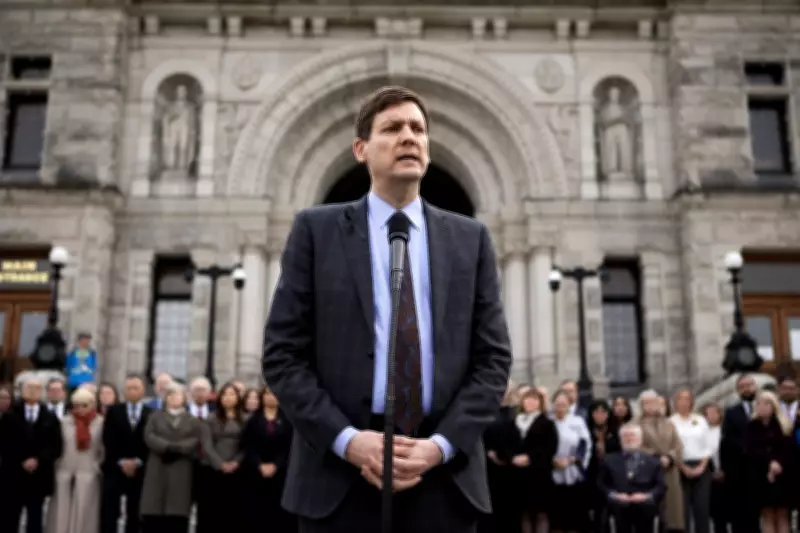
In a significant development that has sparked widespread concern among Indigenous communities, Premier David Eby's government in British Columbia has tabled a suspension of a pivotal Indigenous rights law. This move marks another instance where the premier appears to be retreating from commitments to First Nations, according to leaders who are now urgently calling on Members of the Legislative Assembly (MLAs) to reject the proposed suspension.
Background and Context of the Legislation
The legislation in question was designed to affirm and protect the rights of Indigenous peoples in British Columbia, addressing long-standing issues related to land, resources, and self-governance. It was seen as a crucial step toward reconciliation and implementing the United Nations Declaration on the Rights of Indigenous Peoples (UNDRIP) at the provincial level. However, recent actions by the Eby administration have raised alarms about its dedication to these principles.
First Nations representatives have voiced their frustration, noting that this is not the first time Premier Eby has backed down on promises related to Indigenous law. They argue that such reversals undermine trust and progress in the relationship between the provincial government and Indigenous communities, which is essential for meaningful reconciliation efforts.

Reactions from First Nations Leaders
Indigenous leaders have been vocal in their criticism, emphasizing that the suspension could have far-reaching consequences for rights and title issues. In statements, they have highlighted the importance of upholding legal frameworks that recognize Indigenous sovereignty and autonomy. "This decision sends a troubling message about the government's priorities," one leader remarked, urging MLAs to stand firm against the suspension.
The call to action includes appeals for MLAs to consider the long-term impacts on Indigenous peoples and to uphold the spirit of the original legislation. First Nations are mobilizing support to ensure their voices are heard in the legislative process, with some planning to engage directly with policymakers to advocate for the law's preservation.
Political Implications and Broader Impact
This controversy comes at a time when Indigenous rights are increasingly at the forefront of political discourse in Canada. The suspension could affect not only legal protections but also ongoing negotiations and partnerships between the province and First Nations. It may influence public perception of the government's commitment to reconciliation, potentially straining relations further.
As the debate unfolds, observers note that the outcome will be closely watched by other provinces and Indigenous groups across the country. The situation underscores the challenges in balancing governmental interests with the rights and aspirations of Indigenous peoples, a dynamic that continues to shape Canadian politics and policy.
In summary, Premier Eby's move to suspend the Indigenous rights law has ignited strong opposition from First Nations, who view it as a setback in the journey toward justice and equality. The coming days will be critical as MLAs deliberate on the proposal, with Indigenous communities hoping for a decision that honors their rights and fosters genuine progress.