First Nations Leader Declares Suspending DRIPA Holds No Distinction from Amending the Legislation
In a significant statement regarding Indigenous rights policy, Judith Sayers, the president of the Nuu-chah-nulth Tribal Council, has asserted that suspending the Declaration on the Rights of Indigenous Peoples Act (DRIPA) is effectively the same as amending it. This perspective highlights deep-seated concerns within First Nations communities about the commitment to implementing Indigenous rights frameworks in Canada.
Context and Implications of the Statement
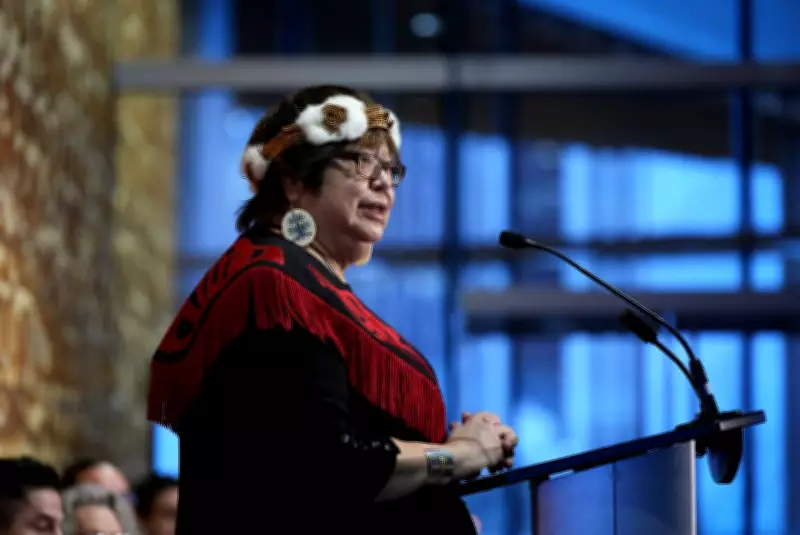
Sayers, a prominent Indigenous leader, made these remarks during a recent public address, drawing attention to the potential consequences of legislative actions that might undermine DRIPA. She emphasized that whether the government chooses to suspend or amend the act, the outcome similarly risks diluting the protections and recognition it affords to Indigenous peoples. This stance comes amid ongoing debates over how federal and provincial governments are adhering to the principles outlined in DRIPA, which aligns with the United Nations Declaration on the Rights of Indigenous Peoples (UNDRIP).
The core of Sayers' argument lies in the practical impact on Indigenous communities. She points out that any move to alter DRIPA's enforcement, whether through suspension or amendment, could lead to delays or reductions in the implementation of rights related to land, resources, and self-determination. This, she warns, perpetuates historical injustices and hampers reconciliation efforts that are crucial for building equitable relationships between Indigenous and non-Indigenous peoples in Canada.

Broader Concerns Over Indigenous Rights Implementation
DRIPA, enacted to affirm and implement UNDRIP in Canadian law, has been a cornerstone for advancing Indigenous rights. However, Sayers' comments reflect broader frustrations among First Nations leaders regarding the pace and sincerity of its application. Many Indigenous groups have voiced concerns that legislative maneuvers, such as suspensions or amendments, might be used to circumvent full compliance with the act's mandates. This could affect critical areas like consultation processes, resource management, and cultural preservation, where Indigenous voices are essential.
Moreover, Sayers highlights that the distinction between suspending and amending DRIPA is largely semantic in terms of real-world consequences. Both actions, she argues, signal a reluctance to fully embrace the rights and responsibilities enshrined in the declaration. This perspective is particularly relevant in light of recent political discussions and potential policy shifts that could impact Indigenous communities across the country.
Looking Ahead: Calls for Genuine Engagement
In response to these challenges, Sayers and other Indigenous advocates are calling for more robust and transparent engagement from government bodies. They urge policymakers to prioritize meaningful dialogue with First Nations to ensure that DRIPA is implemented in a manner that truly respects Indigenous rights. This includes:
- Ensuring that any legislative changes are made with full consent and participation from Indigenous communities.
- Addressing systemic barriers that hinder the effective application of DRIPA's principles.
- Fostering collaborative approaches to resource management and environmental stewardship that align with Indigenous knowledge and sovereignty.
As debates over DRIPA continue, Sayers' remarks serve as a reminder of the ongoing struggles for Indigenous rights in Canada. Her assertion that suspending the act is no different from amending it underscores the need for unwavering commitment to reconciliation and justice. Moving forward, it will be crucial for all stakeholders to engage in honest and constructive efforts to uphold the spirit and letter of DRIPA, ensuring that Indigenous peoples' rights are fully recognized and protected in law and practice.