First Nations Chiefs Launch Legal Battle for Aboriginal Title to Quebec Forest Territories
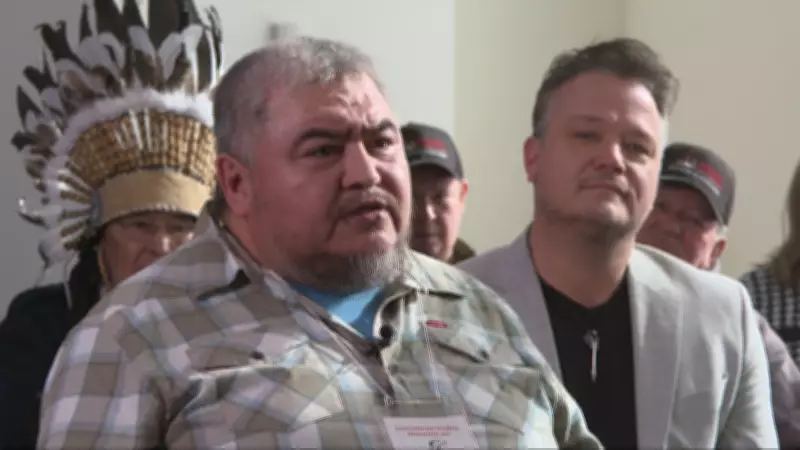
A coalition of First Nations chiefs has formally filed a lawsuit asserting Aboriginal title over three substantial tracts of forest land in Quebec. This legal action represents a pivotal moment in the ongoing struggle for Indigenous land rights within the province.
Details of the Land Claim
The lawsuit specifically targets three large, contiguous areas of forested territory that the First Nations groups claim as their traditional lands. These regions are rich in natural resources and hold deep cultural and historical significance for the Indigenous communities involved.
The legal filing argues that these lands have been continuously used and occupied by the First Nations since time immemorial, meeting the criteria for Aboriginal title as established in Canadian law. The chiefs are seeking formal recognition of their exclusive rights to the land, which would grant them authority over its use, management, and benefits.

Context and Implications
This lawsuit emerges against a backdrop of increasing Indigenous activism and legal challenges regarding land rights across Canada. Quebec, with its vast forested areas and complex history of Indigenous relations, has been a focal point for such disputes.
The outcome of this case could set a significant precedent for similar claims in other provinces, potentially reshaping the landscape of resource management and Indigenous sovereignty. It also highlights the tensions between economic development, particularly in forestry and mining, and the rights of First Nations to their ancestral territories.
Legal and Political Ramifications
The filing is expected to undergo a lengthy legal process, involving detailed historical evidence, expert testimonies, and complex negotiations. Key issues to be addressed include:
- The extent and continuity of Indigenous occupation and use of the land.
- The impact of colonial policies and treaties on land rights.
- The potential for shared jurisdiction or co-management agreements.
Politically, this lawsuit places additional pressure on both provincial and federal governments to address unresolved land claims and fulfill commitments to reconciliation with Indigenous peoples. It underscores the urgent need for transparent and equitable processes to resolve such disputes.
Broader Significance
Beyond the immediate legal battle, this lawsuit reflects a broader movement toward asserting Indigenous sovereignty and protecting cultural heritage. The First Nations chiefs involved emphasize that this is not merely a property dispute but a fundamental issue of justice, identity, and self-determination.
As the case progresses, it will likely attract national attention and spark debates about land rights, environmental stewardship, and the path forward for Indigenous-non-Indigenous relations in Canada. The resolution could influence future policies on resource extraction, conservation, and economic partnerships with First Nations communities.