First Nations Secure Temporary Stay in Alberta Separatism Challenge
In a significant legal development, Alberta's top elections official has been temporarily barred from certifying the results of a provincial independence petition. This interim measure comes as the Court of King's Bench considers legal challenges brought forward by two First Nations groups, who argue the separatist initiative infringes upon treaty rights and could cause irreparable harm.
Court Issues Limited Ruling on Stay Application
On Friday afternoon, Justice Shaina Leonard issued her initial ruling on a stay application from the Athabasca Chipewyan First Nation and the Blackfoot Confederacy. While emphasizing that signature gathering for the petition may continue through the May 2 deadline, Leonard determined the nations met the legal test for temporarily preventing Chief Electoral Officer Gordon McClure from taking further steps in the referendum process.
The stay specifically blocks McClure from certifying collected signatures and referring them to provincial cabinet for a decision on whether to hold a fall independence referendum. This temporary injunction is expected to remain in effect for approximately one month while the court thoroughly reviews extensive materials and oral submissions presented over two days of hearings.

Irreparable Harm and Serious Issues Cited
In her ruling, Justice Leonard explicitly stated: "The issues raised by the nations are serious ones, and, as I have found, the nations have established irreparable harm." She committed to issuing her full decision "as expeditiously as possible" following careful consideration of the complex legal arguments presented.
The temporary stay represents a preliminary victory for First Nations challenging what they characterize as an unauthorized process that violates treaty obligations. Sturgeon Lake Cree Nation, involved in related litigation heard earlier in the week, celebrated the court's decision to pause certification while considering the merits of the case.
First Nations Response and Legal Strategy
Sturgeon Lake Chief Sheldon Sunshine emphasized the collaborative nature of the legal challenge, stating: "This has been a team effort mounted by our nations, and supported by many nations. We're looking forward to the court's final decision on this harmful process, set in motion by Alberta without any authority under our treaty."
Chief Sunshine further expressed expectation that "Alberta will follow this court order and not move the goal posts on us while the court deliberates." The nations' legal team, including lawyer Orlagh O'Kelly, welcomed what they described as "a limited pause to consider this momentous case on its merits" and anticipate the final decision within the coming month.
Background and Broader Context
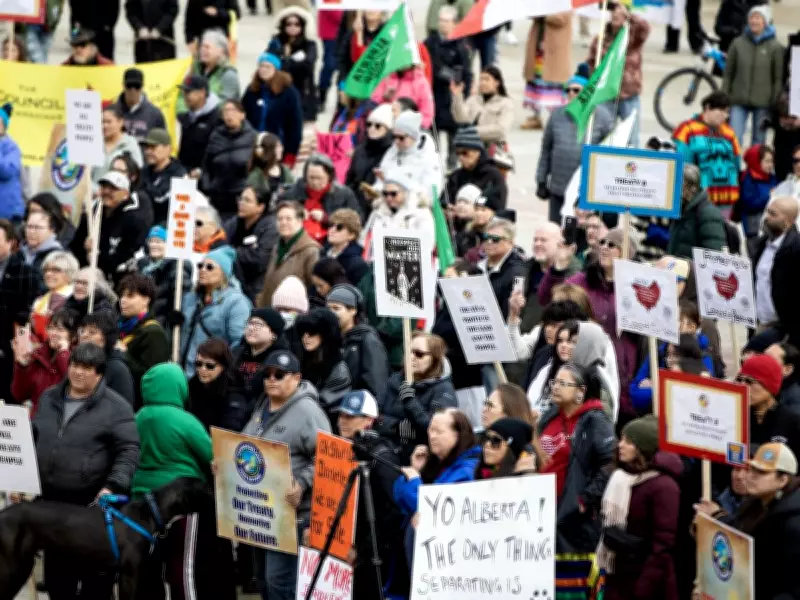
The legal challenge emerges against a backdrop of increasing First Nations opposition to Alberta's separatist petition initiative. Earlier this week, additional First Nations joined the legal action, citing treaty infringement concerns. The case represents a significant test of how provincial independence movements intersect with Indigenous treaty rights and obligations.
While signature collection continues unaffected by the stay, the certification process remains frozen pending judicial review. This development ensures that no further steps toward a potential independence referendum can proceed until the court determines whether the petition process properly respects treaty relationships and constitutional obligations.