Inuit Advocates Call for Canada to Embrace Greenland's Nordic Social Approach
Inuit leaders and academics are urging the Canadian government to draw inspiration from Greenland's Nordic social model, highlighting its potential to transform welfare and community support in Arctic regions. This push comes amid ongoing discussions about addressing systemic inequalities and improving quality of life for Indigenous populations in Canada's North.
Greenland's Welfare System as a Blueprint
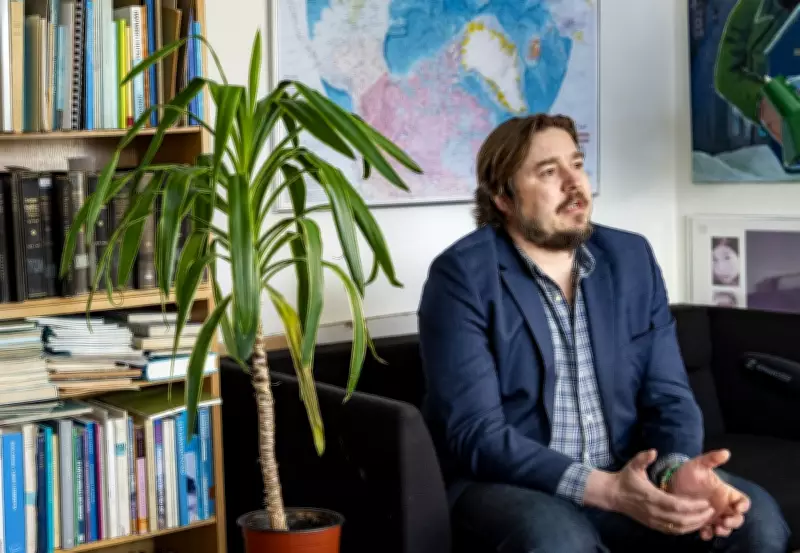
Steven Arnfjord, a professor at the University of Greenland and director of its Centre for Arctic Welfare, has been vocal about the successes of Greenland's approach. In a recent interview from Nuuk, he emphasized that Greenland's model, rooted in Nordic principles, prioritizes social cohesion, universal healthcare, and robust education systems tailored to Arctic realities.
"Canada has much to gain from looking North to Greenland," Arnfjord stated. "Our system integrates traditional Inuit values with modern welfare structures, fostering resilience in remote communities." He pointed to Greenland's investments in mental health services, housing, and cultural preservation as key areas where Canada could adapt similar strategies.

Addressing Historical Disparities
The call for change stems from longstanding gaps in social services and economic opportunities for Inuit in Canada. Advocates argue that Greenland's model offers a more holistic framework, focusing on community-driven solutions rather than top-down policies. This includes:
- Enhanced support for Indigenous language and education programs.
- Improved access to healthcare in isolated regions.
- Economic initiatives that leverage local resources and knowledge.
Inuit representatives stress that adopting elements of Greenland's system could help reduce poverty rates and improve mental health outcomes, which have been persistent challenges in Canadian Arctic communities.
Policy Implications and Future Steps
While Canada has made some strides in Indigenous reconciliation, proponents of the Nordic model believe a more comprehensive shift is needed. They suggest pilot programs in Inuit Nunangat (Inuit homelands) to test Greenland-inspired policies, such as community-based welfare offices and increased local governance over social programs.
"It's about learning from our neighbors," said one Inuit leader. "Greenland shows that Arctic-specific policies can thrive when they respect Indigenous sovereignty and cultural contexts." The discussion is expected to influence upcoming federal dialogues on Arctic development and social equity.
As Canada continues to navigate its relationship with Indigenous peoples, the insights from Greenland's Nordic model provide a timely opportunity to rethink welfare approaches in the North, aiming for a future where Inuit communities are empowered and thriving.