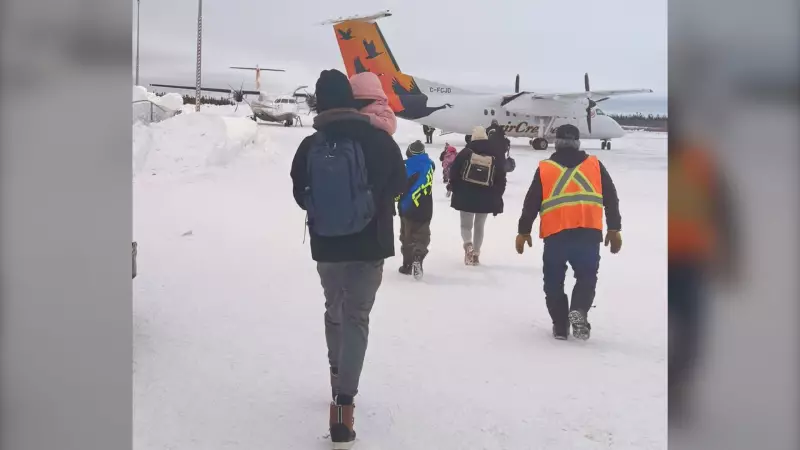
Officials in Northern Ontario are issuing a stark condemnation of what they describe as a 'woefully inadequate' federal response to a mounting crisis in the remote community of Kashechewan First Nation. The situation has necessitated the urgent evacuation of hundreds of residents, with plans to relocate the entire population of approximately 2,200 people.
Mass Relocation Underway for Remote Community
The evacuation effort, which began in earnest this week, has already seen community members transported to multiple host cities across Ontario. According to the latest figures, 37 individuals have been moved to Timmins, while larger groups of 250 and 190 people have been sent to Kapuskasing and Kingston, respectively. The most recent phase of the operation is now directing evacuees to Niagara Falls.
Local and regional authorities are coordinating the complex logistics of moving an entire isolated community. The scale of the operation highlights the severity of the situation facing Kashechewan, a Cree First Nation reserve situated on the coast of James Bay. The community has a long history of facing emergency evacuations, primarily due to seasonal flooding, but officials indicate the current crisis stems from a different, compounding set of issues.

A Pattern of Neglect and Emergency
While the specific immediate cause of this evacuation was not detailed in the initial report, the criticism from officials points to a systemic failure. The phrase 'woefully inadequate' underscores a deep frustration with the pace and scope of support from federal partners. This incident is not an isolated event for Kashechewan, which has repeatedly made national headlines for its dire housing conditions, water safety issues, and forced spring evacuations due to flood risks from the Albany River.
The call for a full community evacuation suggests a problem so critical that remaining on-site is not considered safe or viable. This level of response is typically reserved for imminent natural disasters or profound infrastructure failure. The dispersal of residents to cities hundreds of kilometers apart also presents significant challenges for community cohesion, access to cultural support, and family unity.
Broader Implications and Ongoing Response
The unfolding situation in Kashechewan brings renewed attention to the chronic infrastructure and emergency preparedness gaps in many remote First Nations communities across Canada. Officials stressing the inadequacy of the response are likely calling for more immediate resources and a longer-term strategy to address the root causes that lead to such recurrent crises.
Emergency management teams continue to work on relocating the remaining community members. The well-being of over two thousand displaced individuals, including elders, children, and families, now depends on the support systems in their host communities and the efficiency of ongoing logistical efforts. The full human and financial cost of this evacuation, and the timeline for a return home, remain pressing unanswered questions as the operation continues.