Federal Government Issues Travel Advisory for First Nations Crossing U.S. Border
In a move described by experts as "unprecedented," the federal government has issued a travel advisory specifically for First Nations people crossing into the United States. The advisory strongly recommends that individuals carry a passport when traveling south of the border, a directive that has sparked significant discussion among Manitoba-based First Nations leaders and analysts.
Manitoba Experts React to Unprecedented Measure
First Nations experts in Manitoba are weighing in on this distinctive travel notice, which comes amid ongoing concerns about border security and Indigenous rights. While the advisory does not impose a formal restriction, it represents a notable shift in official guidance for First Nations travelers who have historically faced unique challenges at international crossings.
"This is an unprecedented time for border guidance," noted one Manitoba-based First Nations policy analyst who requested anonymity. "The federal government is taking a more cautious approach that specifically addresses the realities faced by First Nations people when crossing into the United States."

The advisory appears to respond to increasing complexities at border checkpoints, where documentation requirements have become more stringent in recent years. For many First Nations communities in Manitoba, cross-border travel is a regular occurrence for cultural, family, and economic reasons, making this guidance particularly relevant.
Historical Context and Current Implications
First Nations people in Canada have long navigated unique border circumstances, with some communities straddling the international boundary between Canada and the United States. The Jay Treaty of 1794 originally established special provisions for Indigenous peoples to move freely across what would become the border, but modern documentation requirements have increasingly complicated this right.
"The recommendation to carry passports represents a pragmatic approach to current border realities," explained a Manitoba First Nations governance expert. "While it doesn't change legal rights, it acknowledges the practical challenges that can arise without proper documentation."
The federal advisory comes as border security measures continue to evolve on both sides of the 49th parallel. U.S. Customs and Border Protection has increasingly required standardized documentation from all travelers, creating potential complications for First Nations individuals who might previously have relied on alternative forms of identification.
Community Response and Practical Considerations
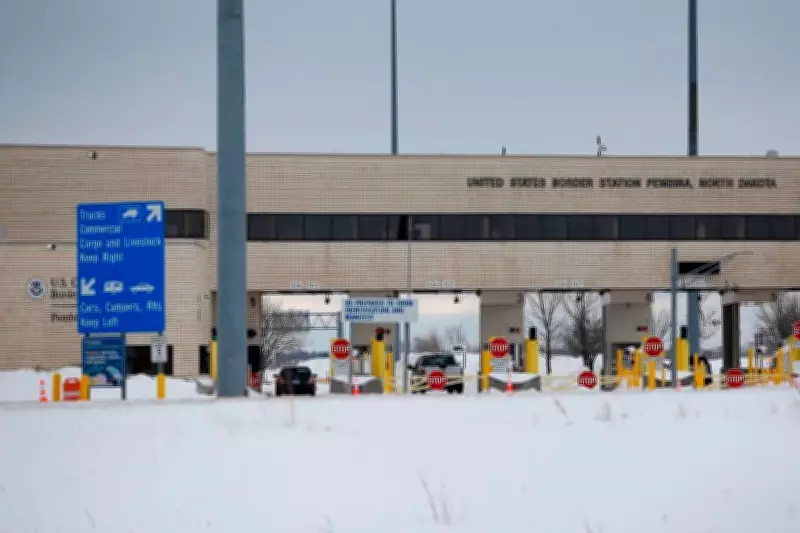
Initial reactions from Manitoba First Nations communities have been mixed, with some viewing the advisory as a necessary precaution while others express concern about potential implications for treaty rights. The guidance specifically mentions the Pembina-Emerson border crossing between Manitoba and North Dakota as a point of reference, though it applies to all U.S. entry points.
Practical considerations highlighted by experts include:
- The importance of proper documentation to avoid delays or denial of entry
- The need for clear communication about border requirements within First Nations communities
- Potential impacts on cultural and family connections that span the international boundary
- The balance between security concerns and Indigenous mobility rights
Federal officials have emphasized that the advisory is precautionary rather than restrictive, aimed at ensuring smooth border crossings for First Nations travelers. However, the specificity of the guidance to Indigenous peoples marks a departure from more general travel advisories typically issued by the government.
Looking Forward: Border Relations and Indigenous Rights
As Manitoba First Nations experts continue to analyze the implications of this travel advisory, broader questions remain about how border policies intersect with Indigenous rights and international relations. The advisory comes at a time when cross-border travel faces multiple pressures, from security concerns to diplomatic relations between Canada and the United States.

"This advisory reflects the evolving nature of border management," concluded a Manitoba-based Indigenous rights scholar. "While it addresses immediate practical concerns, it also highlights the need for ongoing dialogue about how border policies affect First Nations communities specifically."
The federal government has indicated it will monitor the situation and provide updates as necessary, while Manitoba First Nations organizations are developing their own guidance to help community members navigate the recommendation. As cross-border travel continues to be an integral part of life for many First Nations people in Manitoba, this advisory represents both a practical response to current realities and a point of discussion about Indigenous rights in an increasingly regulated border environment.