Mi'kmaq Treaty Rights to Cannabis Sales Asserted Amid RCMP Enforcement Actions
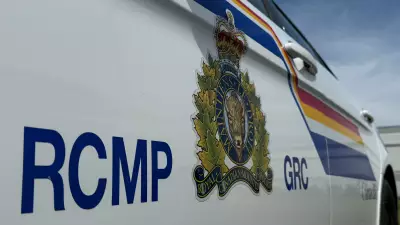
A chief in Nova Scotia has publicly declared that the Mi'kmaq people possess a treaty right to sell cannabis, a statement made in response to recent raids conducted by the Royal Canadian Mounted Police (RCMP). This development underscores the ongoing legal and cultural tensions surrounding Indigenous sovereignty and cannabis regulation in Canada.
Background of Treaty Rights and Cannabis
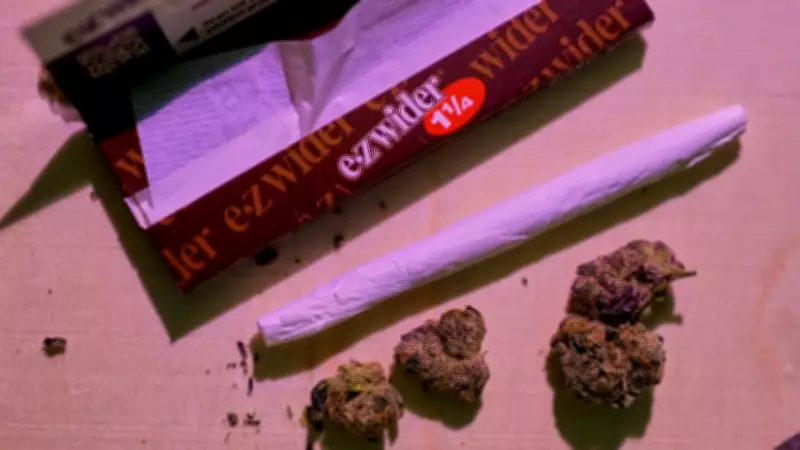
The assertion is rooted in historical treaties, which the Mi'kmaq argue grant them the authority to engage in economic activities, including the sale of cannabis. This position challenges federal and provincial cannabis laws, creating a complex legal landscape. The RCMP raids, part of broader enforcement efforts, have targeted unlicensed cannabis operations, prompting renewed debate over Indigenous rights and self-governance.
Implications for Indigenous Communities
This situation highlights the broader struggle for Indigenous communities to exercise their treaty rights in modern contexts. The chief's statement emphasizes the importance of recognizing these rights in policy-making and law enforcement. It also raises questions about how Canadian authorities balance public safety with respect for Indigenous sovereignty.

Legal and Social Context
The conflict between treaty rights and cannabis regulations is not isolated to Nova Scotia; it reflects nationwide issues. As cannabis legalization evolves, Indigenous groups across Canada are advocating for greater autonomy in this sector. The RCMP's actions and the chief's response may influence future legal precedents and government policies.
Moving Forward
Resolving these tensions requires dialogue between Indigenous leaders, government officials, and law enforcement. A collaborative approach could lead to solutions that honor treaty rights while addressing regulatory concerns. This case serves as a reminder of the ongoing need to reconcile historical agreements with contemporary laws.